Biomechanical Mechanics & TCO Analysis
1. Why Global Commercial Gyms Are Converting to Self-Powered Curved Runner Treadmills
The global commercial fitness market is experiencing a structural pivot in cardio zone architecture. For decades, traditional motorized treadmills dominated commercial fitness floors, introducing high operational expenses, frequent motor electronics failures, and elevated electricity overheads. Today, commercial buyers, fitness center franchise operators, and athletic facility developers in over 60 countries are systematically upgrading to Self-Powered Curved Runner Treadmills.
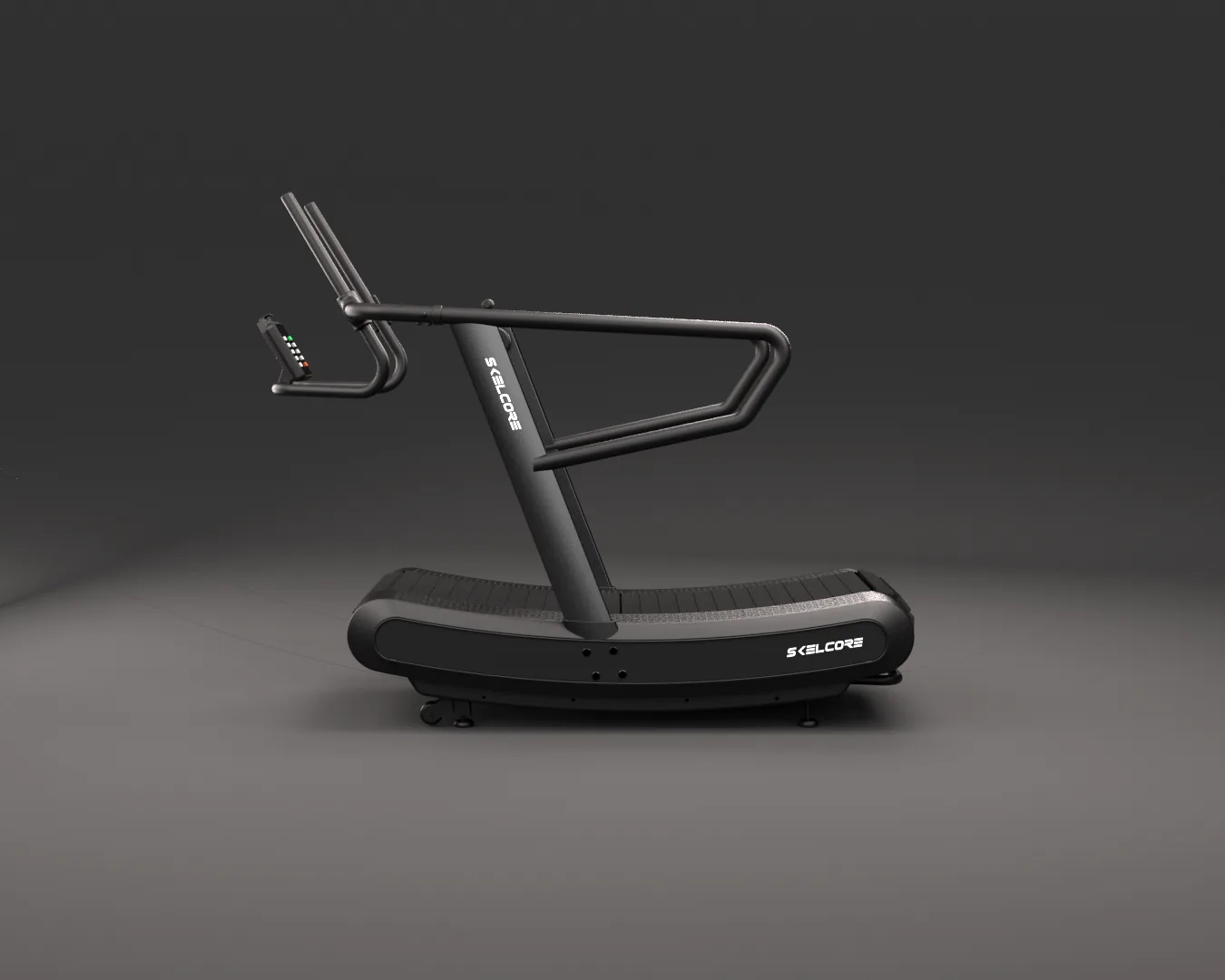
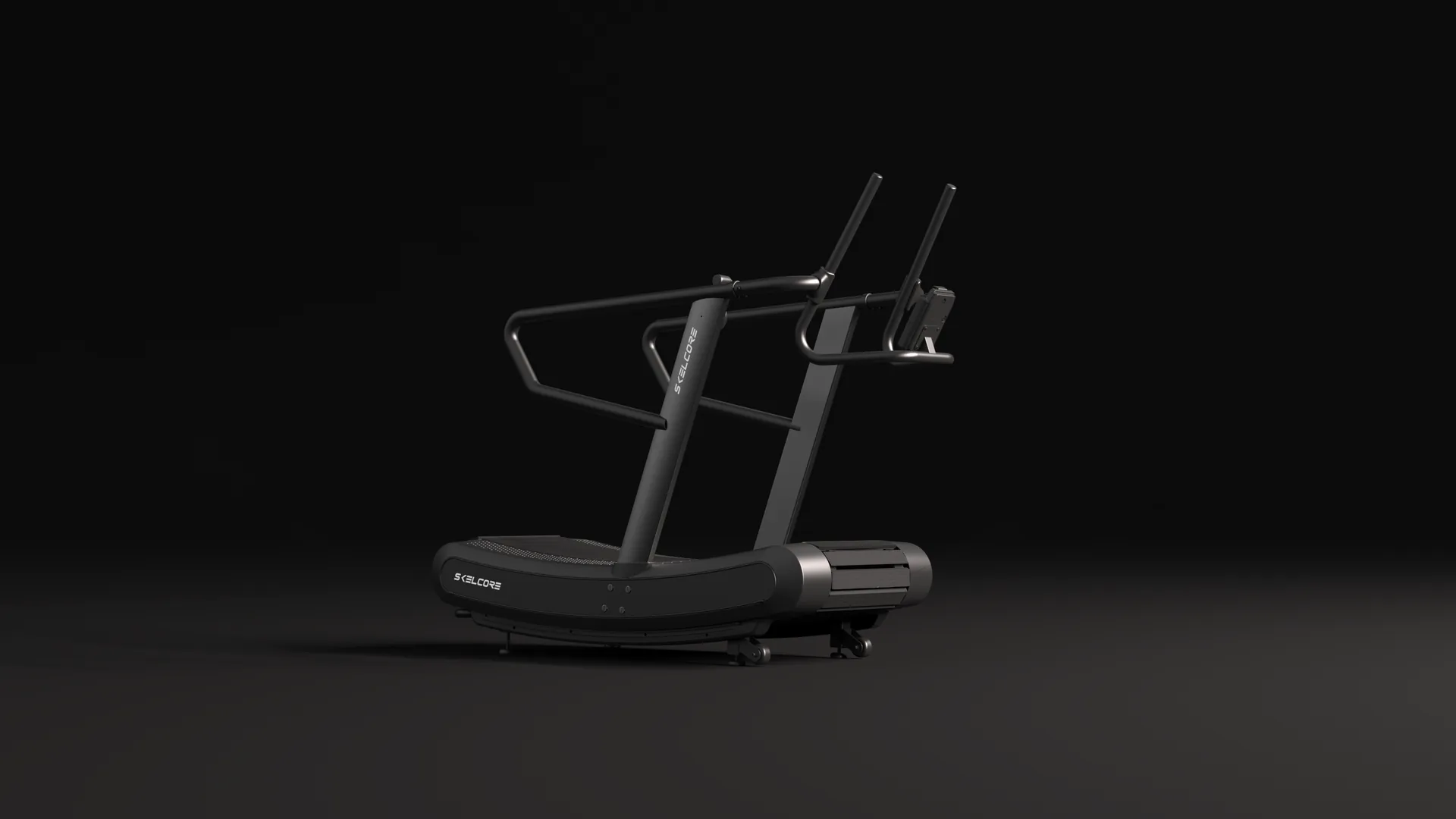
At Skelcore, engineered under California product development standards and managed from our Miami headquarters, we view the self-powered curved runner not merely as a cardio machine, but as a high-density kinetic conditioning asset. By replacing electric drive motors with precision slatted belt bearing systems, curved runners put the athlete in complete control of velocity, acceleration, and deceleration.
The Information Gain Matrix: Motorized vs. Self-Powered Curved Treadmills
When evaluating equipment for high-throughput commercial environments, procurement officers must look beyond initial unit purchase prices to calculate Total Cost of Ownership (TCO), maintenance downtime metrics, and user kinetic outcomes. Below is a comparative operational analysis derived from Skelcore’s engineering data across international deployments:
| Operational Variable | Traditional Commercial Motorized Treadmill | Skelcore Self-Powered Curved Runner Treadmill |
|---|---|---|
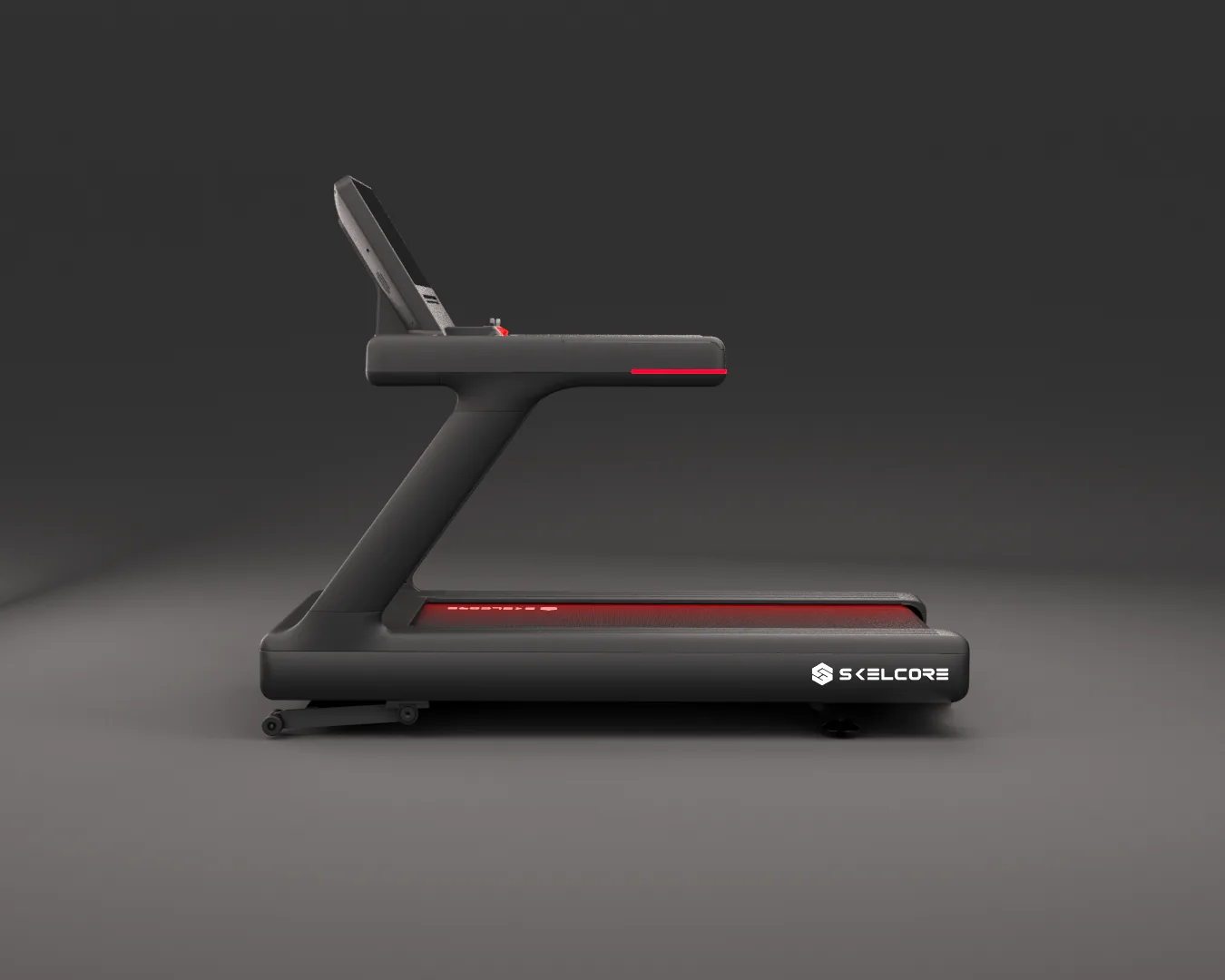
| Electrical Power Draw | 1.5 kW to 3.0 kW per unit hour continuous power | 0.00 kW (100% Zero Electricity Cost) |
| Drive Mechanism | AC/DC Electric Motor, Drive Belts, Control Boards | 60+ Precision Sealed Steel Ball Bearings |
| Running Surface Lifespan | 15,000 – 25,000 miles (Requires periodic tensioning) | 150,000+ miles (High-impact TPU Slatted Belt) |
| Muscular Activation Profile | Passive belt pull; dominant anterior quad reliance | +30% Posterior Chain (Glute & Hamstring) recruitment |
| Max Speed Limitation | Capped at 12–15 mph (Electronics thermal limit) | Unlimited (User-controlled sprint capability) |
| Annual Maintenance Cost | $300 – $600/year (Deck waxing, motor brush, sensor tuning) | Near Zero (Routine surface wipe-down & inspection) |
| Facility Floor Flexibility | Restricted to proximity of wall outlets & dedicated circuits | 100% Mobile (Zero cords; position anywhere on floor) |
Biomechanical Precision: Posterior Chain Activation & Ergonomic Gait Kinetics
Independent electromyographic (EMG) research demonstrates that running on a curved slatted belt forces the user to strike with a mid-foot or fore-foot gait pattern rather than a heavy heel strike. On a flat motorized treadmill, the moving belt pulls the foot rearward, encouraging passive leg recovery. On a Skelcore curved runner, the runner must actively generate horizontal force to push the slatted belt downward along the concave arc of the frame.
This biomechanical shift results in up to 30% higher oxygen consumption ($VO_2$ max exertion), 44% greater caloric burn rate at identical velocity, and significantly heightened recruitment of the gluteus maximus, biceps femoris, and calf complex. For commercial gym owners, this translates into faster athletic conditioning results for members and higher engagement across HIIT, tactical, and athletic performance zones.