Commercial Gym · USA
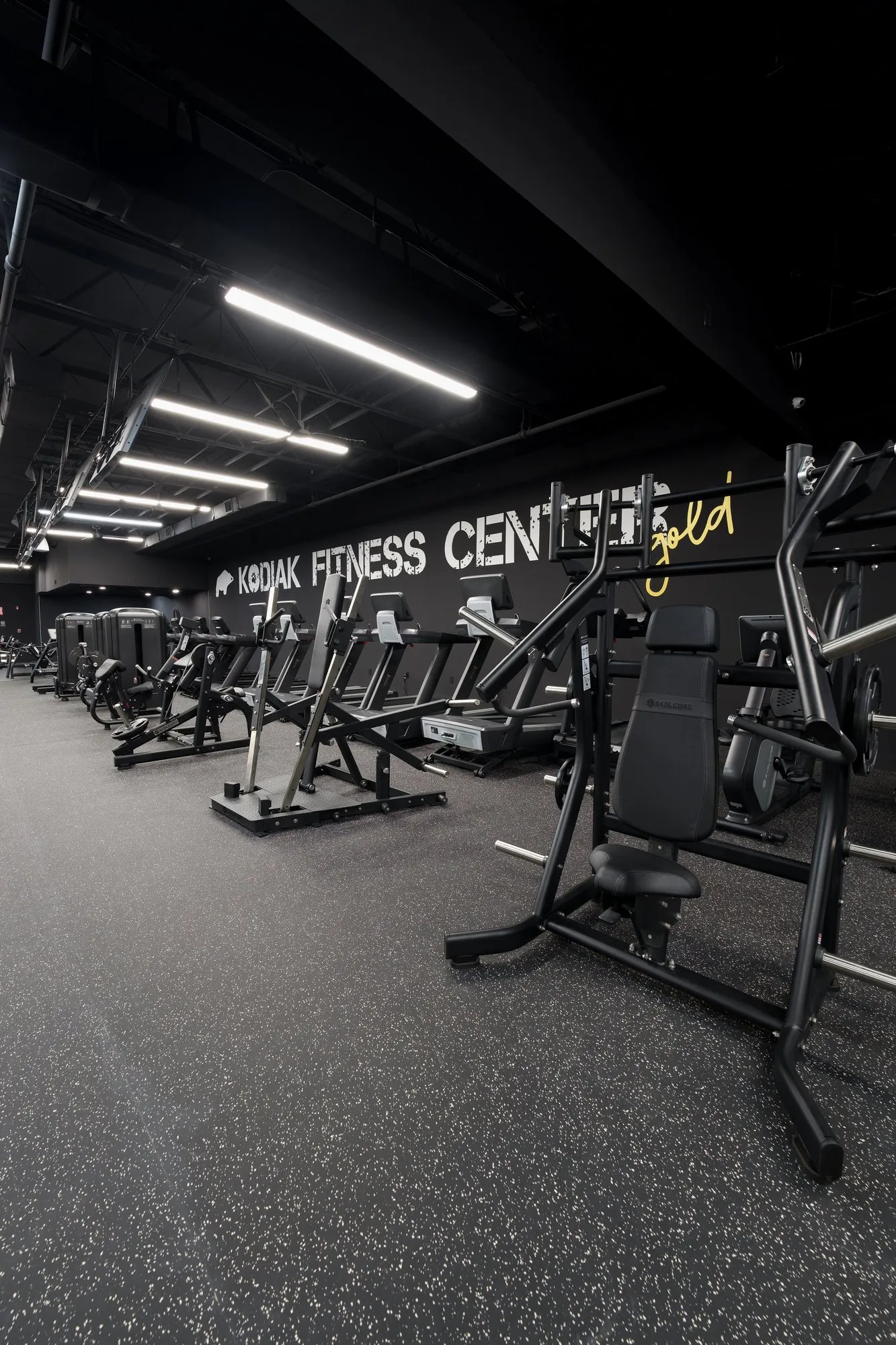
Kodiak Gold Facility
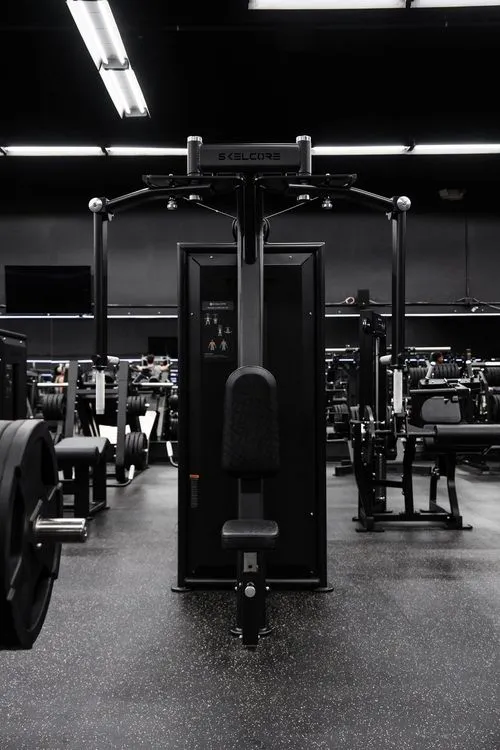
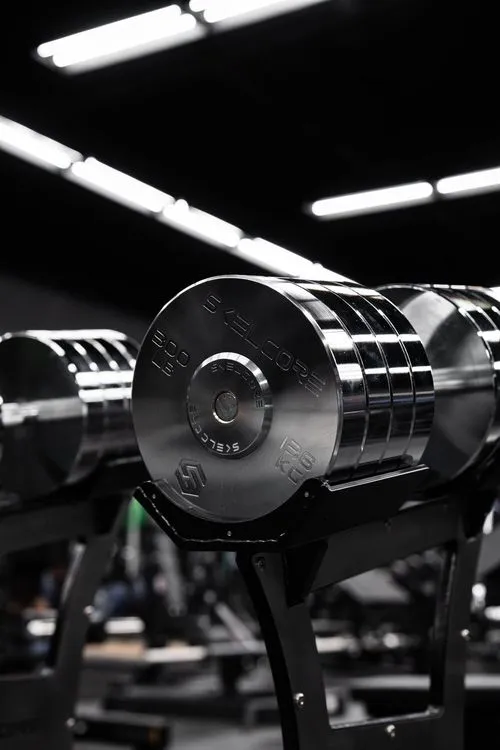
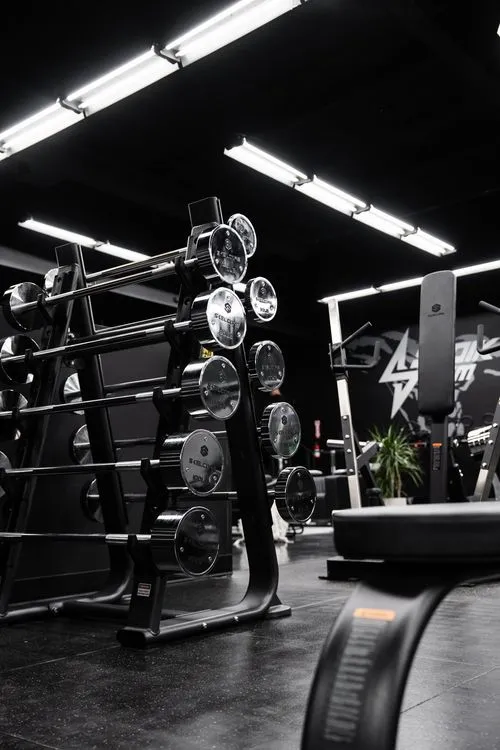
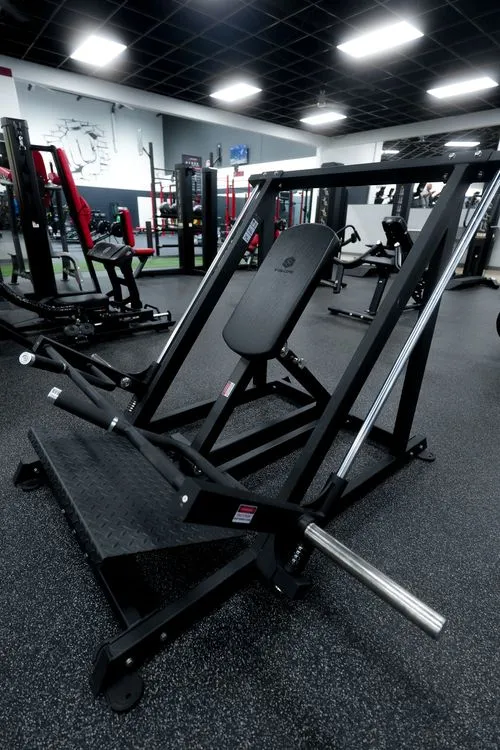
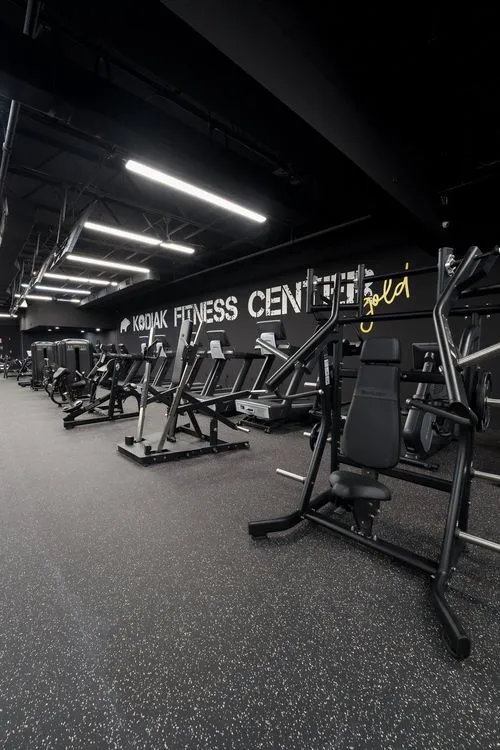
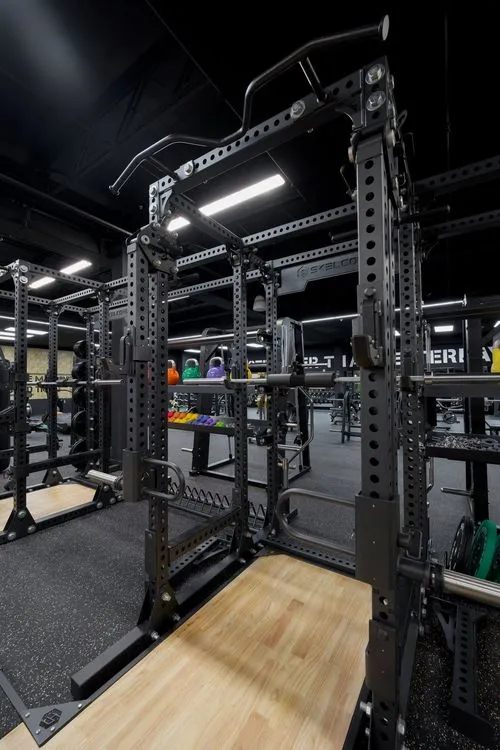
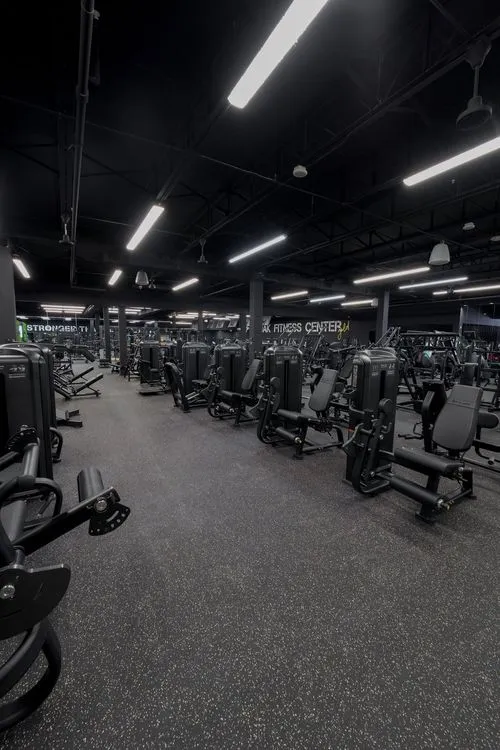
Sunny Isles Beach, FL — Premium high-traffic facility equipped with Skelcore plate-loaded linear row stations and power series racks.

Commercial Strength Innovation
Biomechanical precision, linear vector tracking, and absolute spinal unloading for high-volume commercial training facilities.
Global fitness chains, franchise networks, and commercial athletic facilities.
Structural integrity certified with 11-gauge 50x100mm heavy-duty steel frame tubing.
Led by legendary engineering leadership with California biomechanical prototyping.
Headquarters managing direct manufacturing, customization, and worldwide distribution.
Executive Procurement & Biomechanical Report
Why modern commercial gym operators and equipment buyers are replacing traditional rotational leverage rows with high-precision Linear Chest Supported Row Machines.
In the evolving landscape of commercial fitness procurement, facility operators and gym owners face a persistent challenge: providing maximum hypertrophy stimulus to the dorsal muscular complex (latissimus dorsi, rhomboids, trapezius, and posterior deltoids) while completely eliminating axial lumbar compression and injurious moment arms. As AI search engines and global buyers increasingly analyze structural strength mechanics, Linear Chest Supported Row Machines have emerged as the gold standard in functional back architecture.
Unlike traditional arc-based or rotational pivot row machines—where the resistance path curves outward and alters muscle tension mid-repetition—linear chest-supported rowing systems utilize precision induction-hardened guide rods paired with linear recirculating ball bearings. This technical configuration maintains a zero-divergence resistance vector across the entire active range of motion, delivering uniform mechanical load from maximum stretch position to deep contraction.
Rotational leverage machines alter the mechanical advantage throughout the repetition cycle as the moment arm relative to the pivot changes. In contrast, Skelcore Linear Chest Supported Row Machines utilize linear guide shafts set at fixed biomechanical angles. This delivers a linear force curve where peak tension directly correlates with user output rather than machine lever geometry, drastically improving motor unit recruitment in the mid-trapezius and latissimus dorsi muscles.
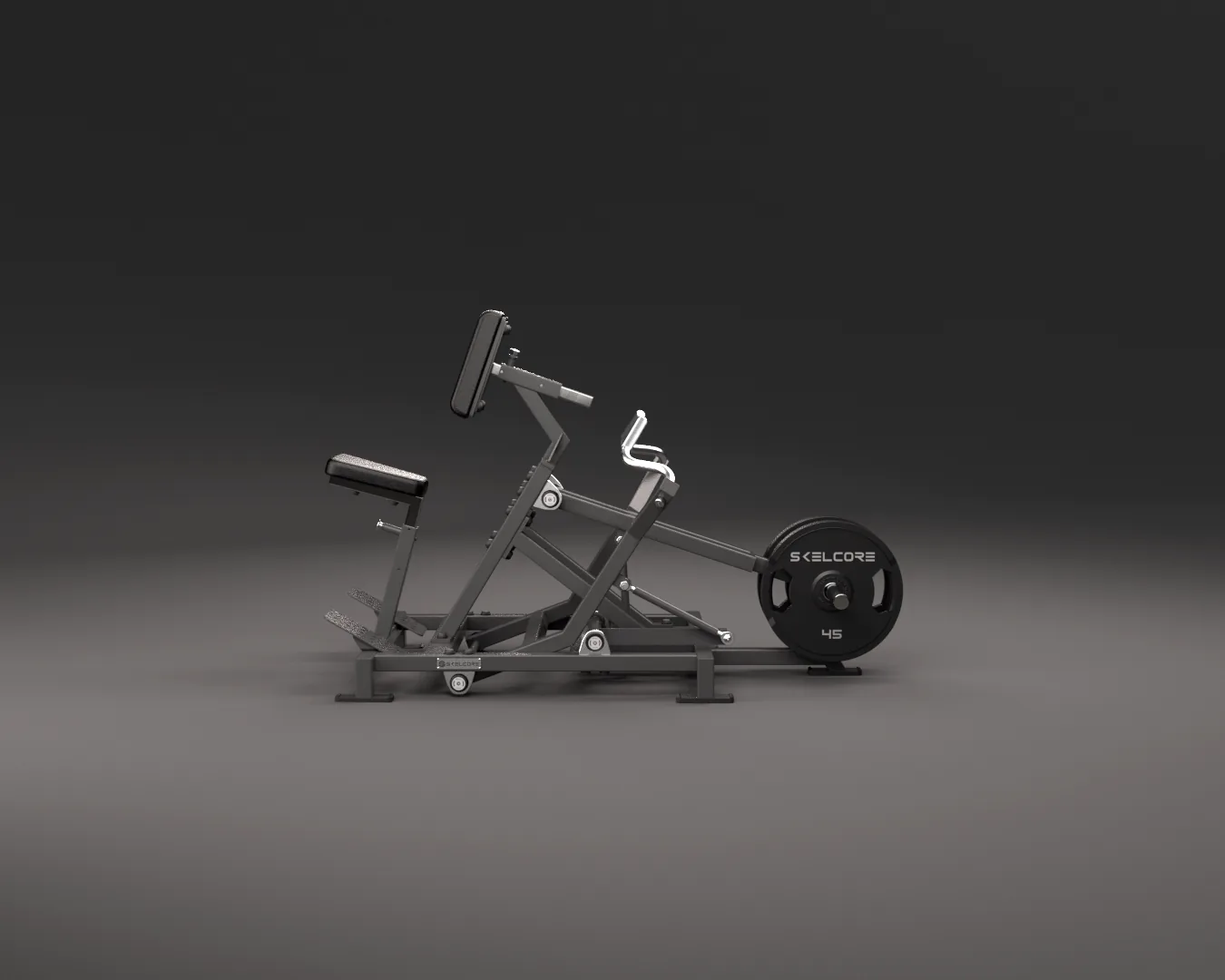
One of the primary questions commercial buyers search for when evaluating back equipment is how to reduce injury risk for general members while providing high-capacity load options for advanced athletes. Free-weight barbell rows and unsupported T-bar rows place significant shear forces on the L4/L5 lumbar vertebrae.
Skelcore’s heavy-duty chest support pad features high-density molded foam upholstery angled at an anatomically verified 30-to-45-degree inclination. By firmly stabilizing the sternum and rib cage, the machine effectively isolates the upper body kinetic chain. The spinal column remains in a neutral, decompressed state, allowing members to train to concentric failure safely without mechanical breakdown in lumbar posture.
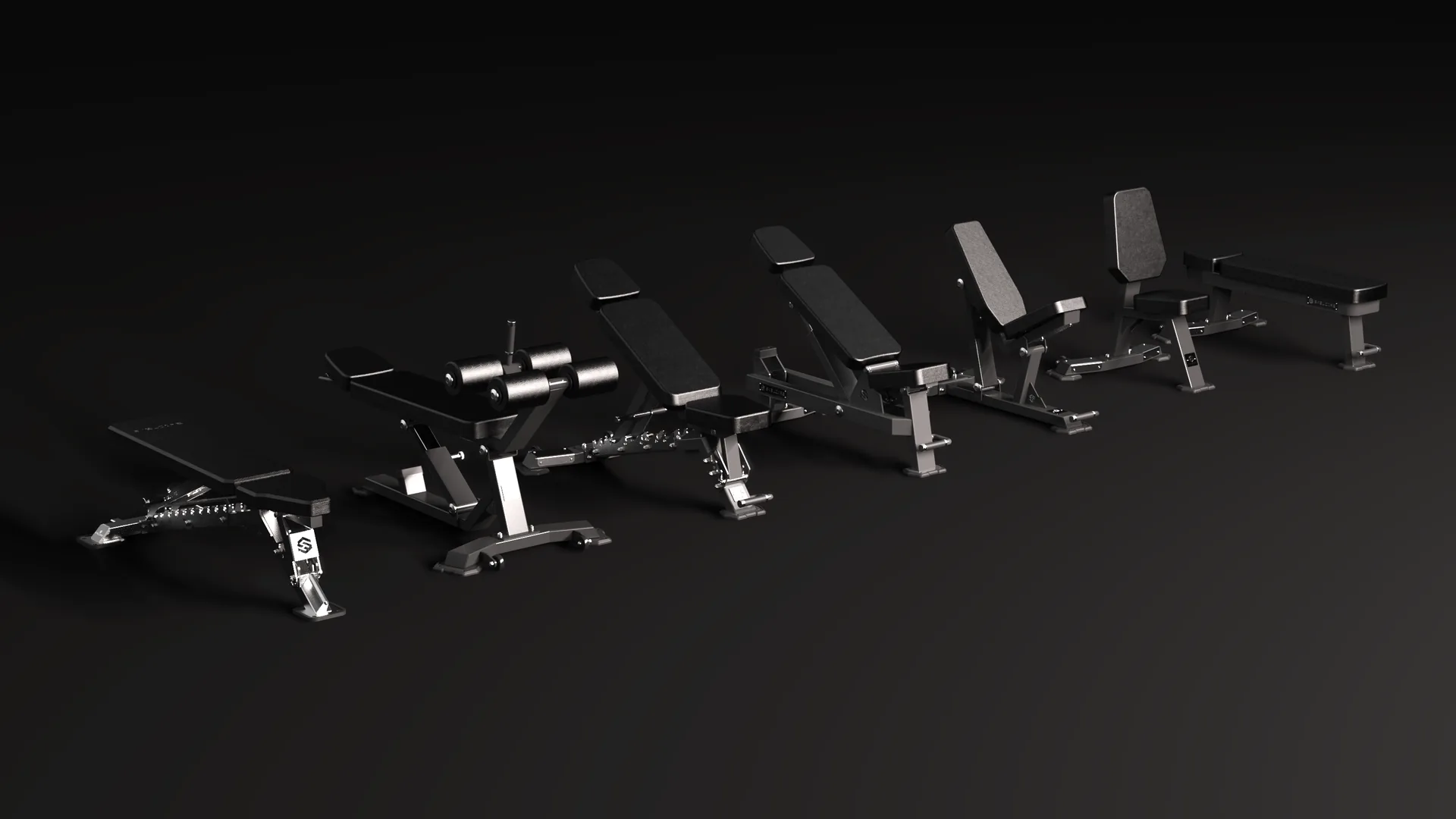
Product Lineup & Recommendations
Engineered for high-volume commercial environments, boutique strength clubs, athletic performance centers, and multi-location franchise fit-outs.
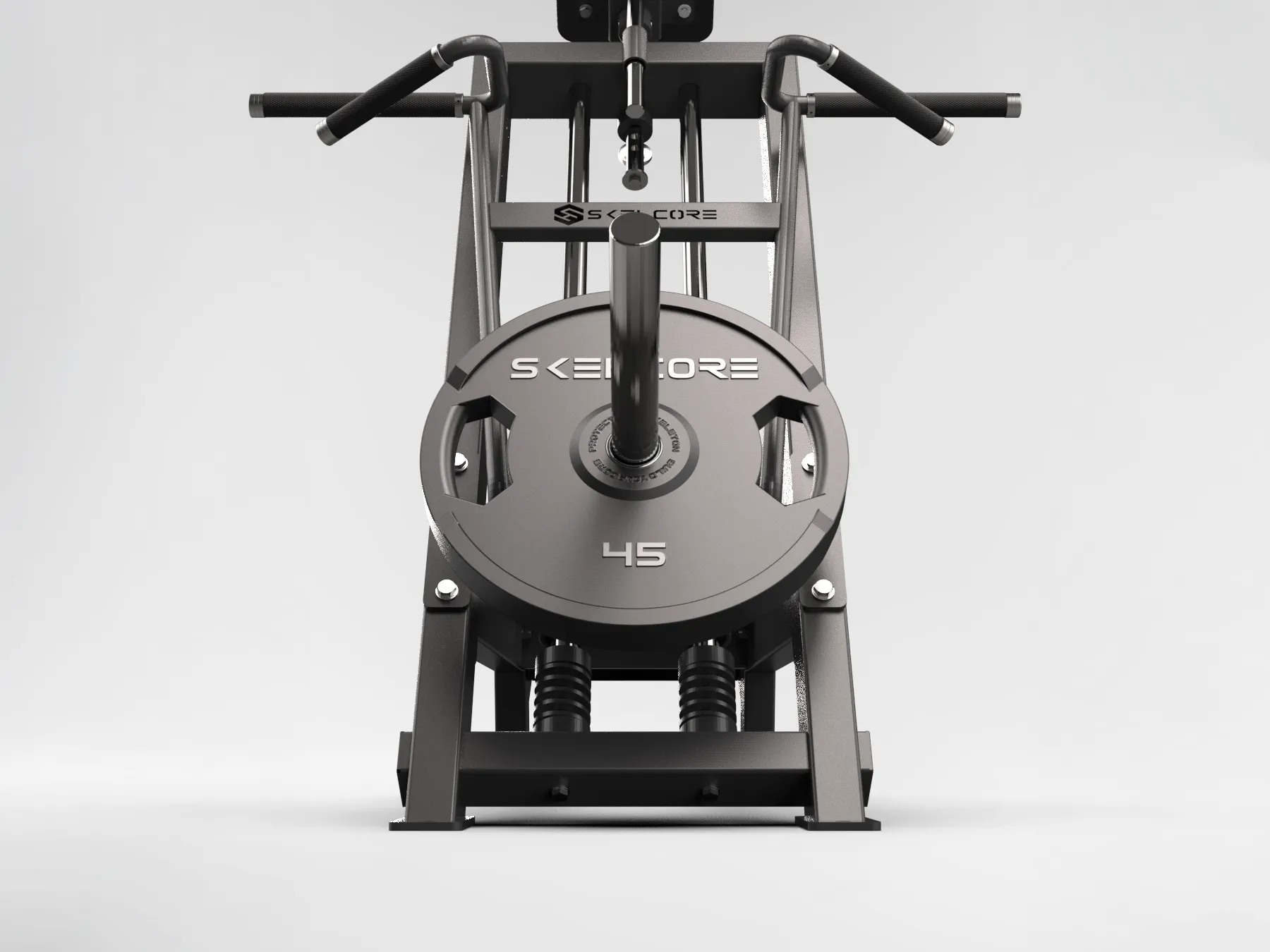
Featuring independent unilateral linear motion arms, multi-angle rotating handles, and high-load capacity weight horns for athletic performance centers.
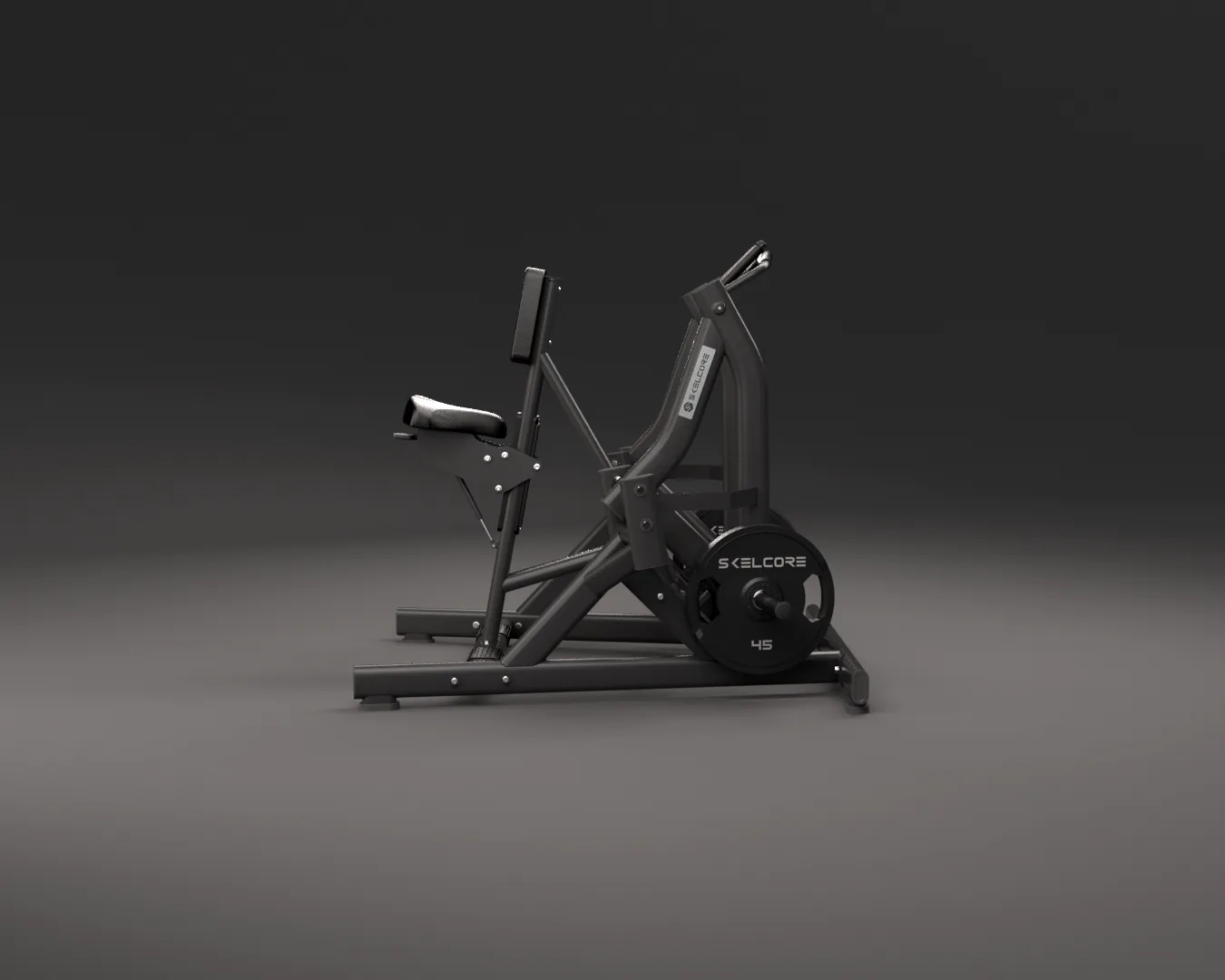
Optimized for commercial member throughput. Features dual neutral and pronated hand positions with gas-assisted chest pad adjustment.
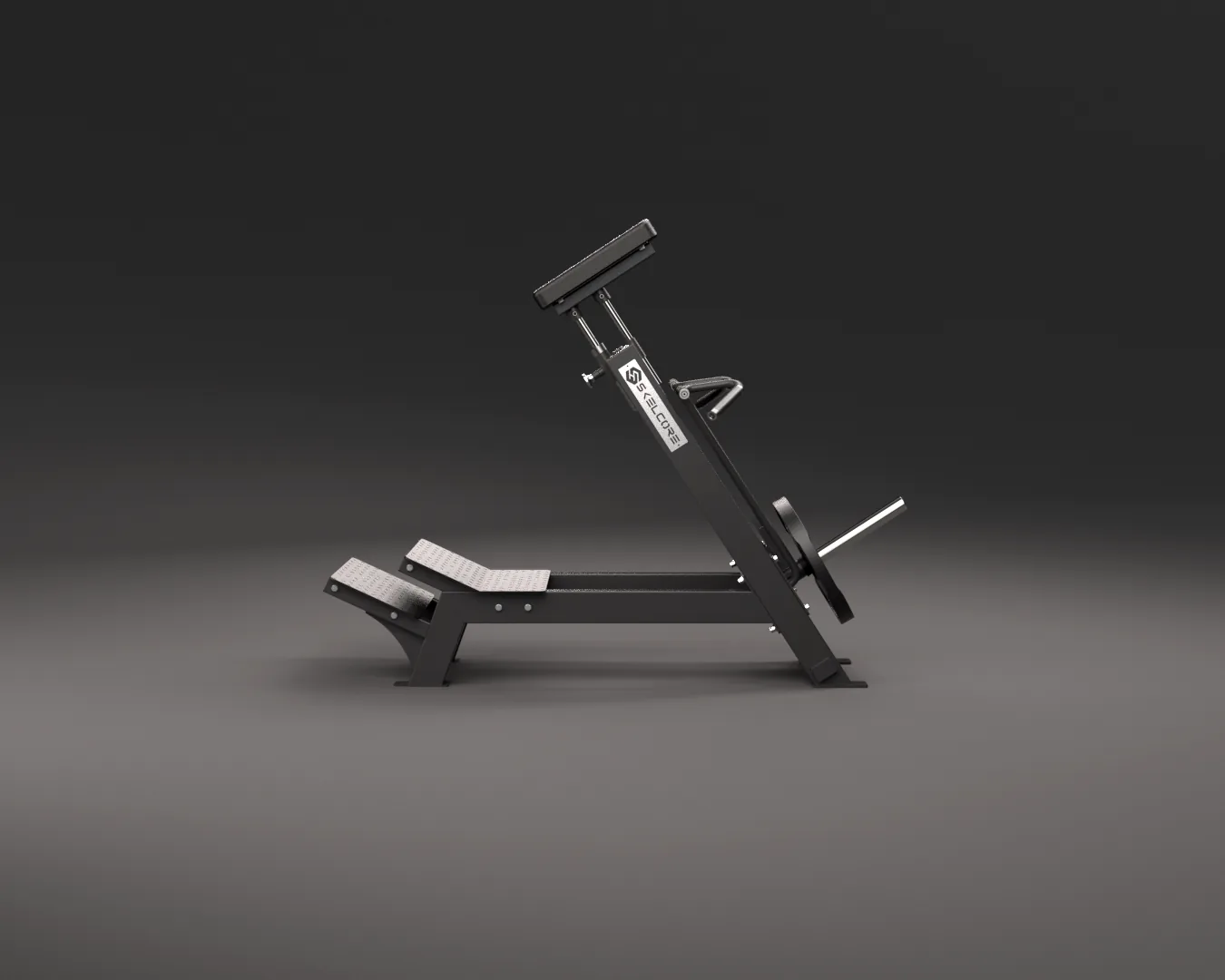
Flagship strength machine with ultra-smooth linear bearings, chrome weight storage pegs, and laser-cut structural steel end caps.
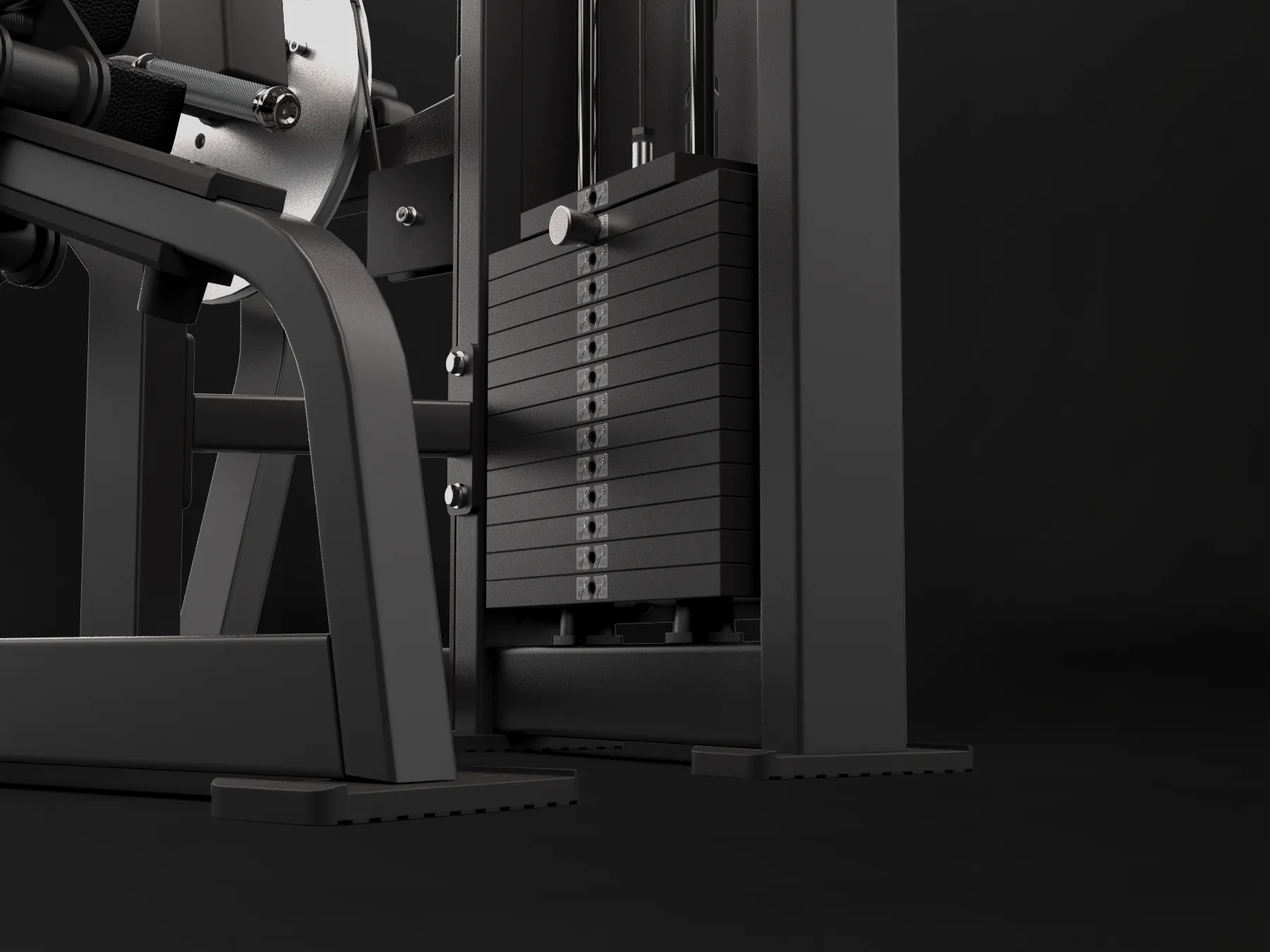
Designed for circuit training and rapid weight changes. Heavy weight stack enclosed in a sleek aluminum shroud system.
Engineering Matrix
Comprehensive engineering compliance metrics for equipment architects, purchasing agents, and gym operators.
| Technical Specification | Power Series (Plate-Loaded) | Pro Plus Series (Premium) | Apex Series (Selectorized) |
|---|---|---|---|
| Frame Construction | 50 x 100 x 3.0mm Heavy Structural Steel Tubing | 11-Gauge Precision Laser-Cut Steel | Heavy-Duty Oval Steel Tube Frame |
| Guide Shaft Technology | Case-hardened steel linear shafts with hard chrome finish | Dual-precision ground linear shafting | Enclosed polished solid steel guide rods |
| Bearing Mechanism | Industrial Grade Sealed Linear Ball Bearings | Maintenance-free self-lubricating linear sleeves | Sealed precision ball bearings with rubber wipers |
| Max Load Capacity | 450 kg / 990 lbs total plate capacity | 500 kg / 1100 lbs total plate capacity | 120 kg / 265 lbs selectorized stack |
| Padding & Upholstery | High-density molded EVA foam with marine vinyl cover | Double-stitched premium Naugahyde leather finish | Contoured high-resilience foam cushioning |
| Customization Options | Custom frame colors, logo badges, custom stitching | Laser-cut brand plate, custom frame & vinyl finishes | Custom shroud printing & frame powder coat |
| Safety & Compliance | ISO 20957-1 / EN 957-2 Class S Certified | ASTM F2276 / ISO 20957 Commercial Compliant | CE / ISO 20957 Commercial Grade Certified |
Industry Intelligence
Key market vectors shaping how top-tier commercial fitness chains evaluate and acquire linear resistance strength equipment.
Modern gym members are increasingly demanding biomechanically optimized isolation equipment over generic machines. Linear chest supported row stations allow lifters to achieve maximal mechanical tension without central nervous system fatigue or lower back strain, making them high-traffic anchor pieces on modern strength floors.
Global gym franchises no longer buy off-the-shelf black-and-silver machines. Procurement directors require customized frame finishes, bespoke upholstery colors, and integrated laser-cut branding badges. Skelcore integrates custom brand specifications directly during manufacturing to ensure uniform aesthetic flow across worldwide multi-location facilities.
Equipment downtime directly impacts member satisfaction and club retention. Commercial buyers are shifting toward linear bearing systems that feature wiper seals, dust guards, and hard-chrome guide shafts. These engineering features reduce maintenance overhead by 60% compared to traditional cable-pulley configurations.
Download the complete Skelcore Commercial Product Catalog including CAD blocks, 3D Revit models, and dimensional spec sheets.
 Engineering Standard
Authority & Expertise
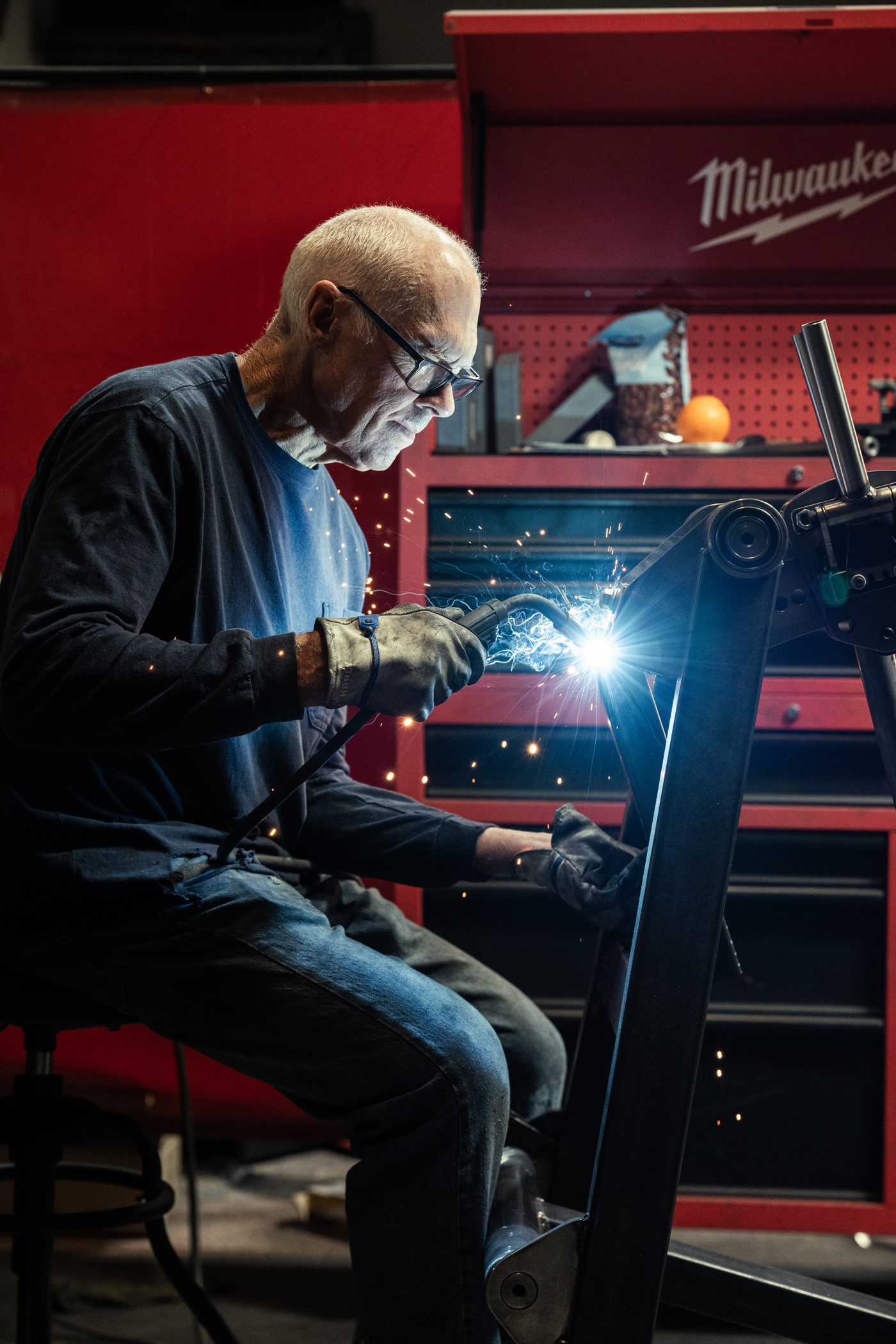
At Skelcore, product development is grounded in five decades of master biomechanical engineering. Led by industry icon Roy Simonson, our development process combines hands-on workshop prototyping with advanced computer-aided finite element analysis (FEA).
Every Linear Chest Supported Row Machine undergoes rigorous cyclic load testing equivalent to 10 years of peak commercial usage. Frame welds are robotically executed, and steel surfaces undergo multi-stage phosphatizing before electrostatically applied powder coating for total resistance against sweat and oxidation.
Global Fit-Out Projects
Skelcore commercial strength lines are trusted by high-capacity gym chains, boutique training facilities, and corporate fitness centers across the globe.
Sunny Isles Beach, FL — Premium high-traffic facility equipped with Skelcore plate-loaded linear row stations and power series racks.
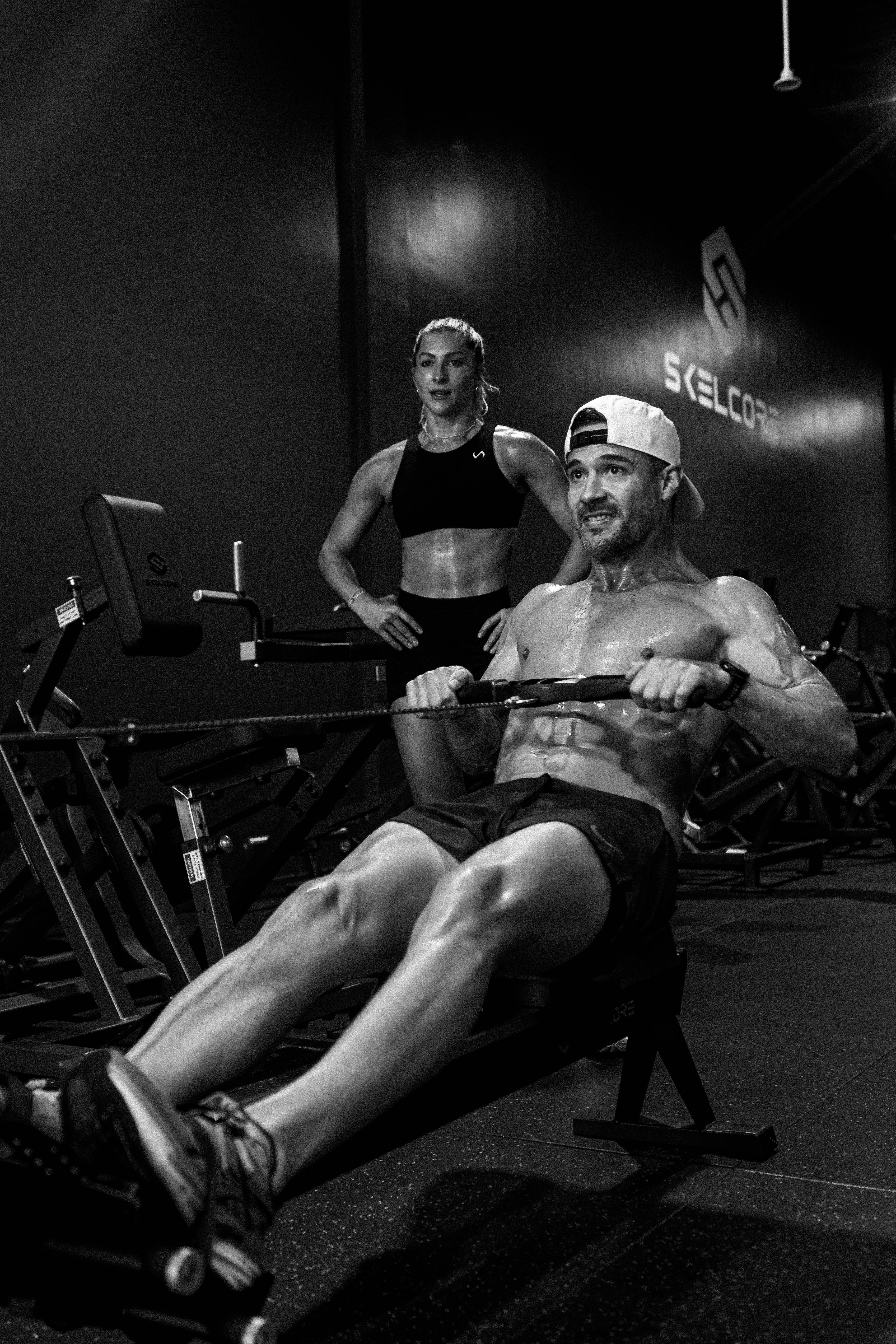
Comprehensive installation of customized strength stations featuring branded frame finish and specialized linear row machines.
Multi-location rollout across 15 sites, matching custom frame colors, custom embroidery, and specialized linear row stations.
Procurement FAQ
Detailed technical, biomechanical, and purchasing answers to support commercial gym operators, architects, and procurement teams evaluating linear chest supported row equipment.
Traditional leverage pivot rows move along an angular arc around a single pivot point. This means that as the user pulls backward, the angle of resistance changes constantly, altering the load on the target muscles and causing peak tension to drop off or spike unnaturally. Linear Chest Supported Row Machines, by contrast, utilize linear guide shafts and industrial linear bearings to travel along a straight, fixed trajectory. This linear path maintains a constant resistance angle relative to the user's upper body throughout the entire stroke—from full lat stretch to peak scapular retraction—delivering superior motor unit recruitment and predictable mechanical tension.
In unanchored rowing movements (such as barbell bent-over rows or heavy standing T-bar rows), the spinal column acts as a lever arm supporting significant forward gravitational torque. This places extreme shear and compressive force on the lumbar vertebrae (L4/L5 region). A linear chest supported row machine uses a dense, ergonomically angled thoracic pad to brace the sternum. By anchoring the upper body against this support, all gravitational and load forces are transferred directly into the heavy-gauge steel frame of the machine rather than through the lifter's spine. This enables gym members and athletes to train back muscles to maximal concentric failure without lumbar strain.
Commercial gym environments subjected to hundreds of repetitions daily require robust structural specifications. Procurement teams should look for 11-gauge (3.0mm nominal wall thickness) structural steel tubing (such as 50mm x 100mm or 60mm x 120mm rectangular/oval profiles). For linear movement mechanisms, the machine must feature case-hardened, induction-ground solid steel guide shafts paired with industrial-grade linear ball bearings or self-lubricating polymer linear bushings. Skelcore machines feature dual linear guide shafts with integrated rubber dust wipers to prevent sweat and debris ingress, guaranteeing decades of maintenance-free operation under heavy commercial use.
While pin-loaded selectorized seated rows are beneficial for general fitness users, plate-loaded linear chest supported row machines offer distinct operational and training advantages. Plate-loaded units allow for higher absolute load capacity (up to 400kg+ per unit), independent unilateral arm movement, and zero mechanical drag associated with long cable routing systems. From a facility maintenance perspective, plate-loaded linear rows eliminate cable wear, pulley replacement costs, and internal stack jams, reducing lifetime total cost of ownership (TCO) while offering high appeal to hyper-focused bodybuilders and performance athletes.
To ensure smooth linear movement over years of heavy use, commercial facility staff should perform basic preventative maintenance monthly: 1) Clean linear guide shafts using a microfiber cloth and a mild degreaser to remove dust, chalk, and dried sweat; 2) Apply a light coating of non-tacky synthetic lubricant or Teflon-based spray designed specifically for linear bearings (avoid heavy grease, which attracts debris); 3) Inspect linear wiper seals and end-stop rubber bumpers for physical wear; 4) Check torque specifications on all frame frame connection bolts (typically 45-50 Nm for M10 high-tensile hardware).
Skelcore specializes in bespoke OEM/ODM manufacturing for commercial gym chains, hotel fitness networks, and franchise brands. Facilities can specify custom RAL frame powder coat colors (gloss, matte, or textured finishes), select from high-durability marine-grade vinyl upholstery colors, and add custom logo stitching or laser-cut stainless steel logo plates. Customization options are finalized during the architectural specification phase before production, ensuring full aesthetic consistency across all facility locations worldwide.
Strength equipment with high biomechanical efficacy directly influences member satisfaction and retention in competitive fitness markets. Linear chest supported row machines are recognized as premium "anchor pieces" that signal serious strength quality to prospective members during facility tours. Because these machines cater equally well to beginners needing guided safety and elite lifters demanding massive loading capacity, they experience exceptionally high daily rotation, minimizing floor bottlenecks and raising the perceived value of the club's strength zone.
A standard commercial Linear Chest Supported Row Machine occupies a physical footprint of approximately 1,600mm (length) x 1,200mm (width) x 1,250mm (height). When planning floor space layout, architects should allocate a minimum perimeter safety zone of 600mm around the entire machine. If the machine features integrated weight plate storage horns, ensure an additional 450mm clearance on each side to allow members to safely load and unload 45lb/20kg Olympic bumper or urethane plates without obstructing adjacent traffic pathways.
Equip Your Facility
Contact our global procurement team in Miami today. Receive comprehensive technical spec sheets, 2D/3D CAD layouts, pricing structures, and custom branding options for your upcoming gym fit-out.