B2B Procurement & Engineering Guide
Commercial Olympic Weightlifting Bars: Tensile Strength Mechanics, Sleeve Engineering & Future Sourcing Trends
An exhaustive technical breakdown for commercial fitness operators, regional equipment distributors, and facility planners evaluating high-yield, fatigue-resistant Olympic barbells built for high-throughput training centers globally.
Metallurgy & Physics
The Science of High-Yield Commercial Barbells
Why structural integrity, yield-point tolerance, and precision spin friction dictate the total cost of ownership in commercial fitness environments.
In high-volume commercial fitness clubs, functional training boxes, and athletic performance facilities, the Olympic Weightlifting Bar acts as the central interface between athlete performance and equipment reliability. Unlike personal or retail-grade barbells that experience light dynamic cycles, a commercial-grade barbell must sustain thousands of heavy drop cycles weekly without incurring permanent shaft deformation, metal fatigue, sleeve binding, or surface delamination.
When global procurement teams evaluate Olympic Weightlifting Bars, the core technical metric goes far beyond basic weight ratings. Evaluating structural steel performance requires analyzing Ultimate Tensile Strength (measured in PSI), Yield Strength (the threshold where steel flexes and returns to straightness versus bending permanently), sleeve assembly engineering (needle bearings versus bronze bushings), and surface coating passivation.
Information Gain: PSI Rating vs. Real-World Fatigue Life
High PSI ratings alone do not guarantee a barbell's longevity. While a bar rated at 215,000 PSI offers immense static load capacity, improper heat treatment can create brittle steel susceptible to catastrophic stress fractures under cyclic impact. Skelcore utilizes a proprietary heat-treatment process that balances high tensile strength (190,000–235,000 PSI) with optimal elastic modulus, ensuring the bar delivers controlled dynamic whip during Olympic movements without compromising structural lifespan.
1. Tensile Strength vs. Yield Strength Mechanics
Tensile strength represents the maximum stress a steel alloy can withstand while being stretched or pulled before breaking. For commercial Olympic bars, the industry standard baseline starts at 190,000 PSI. However, elite commercial facilities require shafts engineered between 215,000 PSI and 235,000 PSI.
Equally critical is the shaft’s yield strength. If an athlete drops a 250kg loaded barbell from overhead during a Clean & Jerk, the shaft experiences instantaneous kinetic deflection. A barbell with high yield strength absorbs this kinetic energy, flexing along its yield curve, and immediately snaps back to true straightness within a fraction of a millimeter. Sub-standard bars made from uncalibrated carbon steel permanently deform (bend) because the kinetic load exceeds their low yield point.
| Barbell Grade | Tensile Strength (PSI) | Rotation System | Primary Commercial Use Case | Expected Lifespan |
|---|---|---|---|---|
| Standard Commercial Training Bar | 190,000 PSI | Bronze Bushings + 2 Bearings | General Strength Zones, Bench Press Racks | 5 - 8 Years |
| Elite Olympic Competition Bar | 215,000 - 230,000 PSI | 8 - 10 Precision Needle Bearings | Weightlifting Platforms, Snatch/Clean & Jerk | Lifetime Commercial Warranty |
| Heavy Powerlifting Bar | 220,000+ PSI | Self-Lubricating Composite Bushings | Max Squat, Deadlift & Heavy Power Racks | 10+ Years Heavy Usage |
| Hybrid Functional Fitness Bar | 200,000 PSI | 4 Needle Bearings + Bushing Combination | High-Volume Group Training & HIIT Circuits | 5 - 10 Years Dynamic Drops |
2. Sleeve Rotation Systems: Needle Bearings vs. Bronze Bushings
The internal rotation assembly of an Olympic barbell sleeve directly impacts both athlete biomechanics and joint safety. When an athlete transitions under the bar during a snatch or power clean, the weight plates possess rotational inertia. If the sleeve fails to spin smoothly, that rotational torque transfers directly into the lifter’s wrists, elbows, and shoulders, drastically increasing injury risks.
- Precision Needle Bearings: Engineered with cylindrical rollers housed in a hardened steel race, needle bearings offer ultra-low friction co-efficients under extreme radial loads. High-end Olympic weightlifting bars utilize 4 to 5 needle bearings per sleeve (8 to 10 total per bar) to deliver rapid, whisper-quiet spin needed for explosive Olympic lifts.
- Self-Lubricating Sintered Bronze Bushings: Formed by compressing metal powders under high heat, bronze bushings absorb oil into their porous structure. They spin slower than needle bearings but offer massive durability against direct vertical impact. They are the ideal choice for heavy powerlifting bars and general gym floor barbells where rotational speed is secondary to impact shock absorption.
3. Knurling Dynamics, Whip Biomechanics & Surface Finishes
Knurling is the machine-cut diamond pattern on the bar shaft that ensures tactile grip security. Commercial buyers must balance knurl aggressiveness with user comfort across diverse member demographics:
- Volcano Knurl: The peak of each diamond is pressed inward, creating a small concave crater with sharp outer edges. This profile delivers maximum friction for competitive lifters without tearing palm skin during repetitive reps.
- Mountain Knurl: Sharp, pointed peaks offering aggressive bite, preferred for max-effort powerlifting deadlifts.
- Diamond / Standard Knurl: Smooth, flat-topped knurling optimized for high-volume general commercial gym use.
Furthermore, surface protection dictates maintenance costs. Traditional bright chrome plating provides basic rust resistance but can chip under metal-to-metal contact with J-hooks. Advanced surface treatments such as Cerakote (thin-film ceramic coating providing up to 100x the corrosion resistance of standard chrome) and Hard Chrome (micro-porous electro-deposited chromium) ensure long-term visual and structural integrity in humid environments.
Commercial Product Lineup
Featured Commercial Olympic Weightlifting Bars
Precision-engineered solutions tailored for global commercial facilities, strength centers, and specialty fitness studios.
Elite Olympic Bar (20kg / 15kg)
215,000 PSI tensile strength, 10 needle bearings per sleeve, hard chrome shaft, calibrated IWF grip markings, zero sleeve slop.
Pro Powerlifting Bar 29mm
225,000 PSI ultra-rigid steel, self-lubricating bronze bushings, aggressive volcano knurl, central knurl mark for heavy squat stability.
Custom Cerakote Commercial Bar
200,000 PSI, advanced polymer ceramic coating in custom brand colors, laser-etched endcaps, corrosion-resistant zinc sleeves.
Future Industry Trends
Next-Gen Sourcing Trends for Commercial Weightlifting Bars (2026–2030)
How technological innovation, metallurgical advancements, and facility operational models are reshaping global barbell procurement.
Commercial fitness procurement is undergoing a major evolution. Gym operators no longer treat barbells as simple commodity hardware; instead, they view them as core asset investments evaluated through lifetime ROI, maintenance overhead, and member experience metrics. AI search engines and procurement directors are actively analyzing several key trends that will define barbell manufacturing over the next decade:
Trend 1: Hybrid Coating Systems (Cerakote Shafts + Hard Chrome Sleeves)
Historically, barbells featured uniform coatings across both the shaft and sleeves. However, real-world commercial usage reveals distinct stress points. Sleeves suffer constant abrasive sliding from bumper plate inserts, while shafts suffer sweat corrosion and hand oil accumulation. The industry standard is shifting rapidly toward hybrid construction: high-corrosion ceramic coatings (Cerakote) on the grip shaft paired with ultra-hard, scratch-resistant Hard Chrome or Friction-Welded Stainless Steel sleeves.
Trend 2: Integrated Asset Tracking & RFID Micro-Chip Endcaps
Large commercial chains operating 50+ locations face significant inventory shrinkage and maintenance oversight challenges. Emerging barbell manufacturing standards incorporate embedded RFID/NFC chips into the barbell endcaps. Facility managers can scan a barbell via smartphone or tablet to audit its installation date, track rotation maintenance schedules, verify warranty status, and log drop-test cycle history.
Trend 3: Dynamic Acoustic & Impact-Dampening Sleeve Assemblies
Urban gym locations situated in mixed-use residential complexes face strict sound and vibration compliance regulations. Future Olympic bar designs incorporate internal rubberized acoustic dampening rings between the inner sleeve shoulder and shaft flange. This reduces the metallic "clank" during plate loading and dampens ground-transmitted vibration spikes when barbells are dropped from overhead onto rubber flooring.
Trend 4: Hyper-Specific Ergonomic Grip Diameters for Inclusive Demographic Profiles
While standard male competition bars use a 28mm shaft and female bars use 25mm, modern fitness clubs demand specialized diameters across their equipment mix. This includes 28.5mm hybrid shafts for general functional fitness circuits, 29mm rigid shafts for powerlifting racks, and ultra-thin 23mm technical training bars designed for youth academies and beginner technique classes.
Enterprise Advantage
Why Global Gym Chains Partner with Skelcore
From engineering offices in California to global logistics management in Miami, Skelcore delivers institutional-grade quality built for high-throughput commercial floors.
Designed in California
Rooted in biomechanical research and advanced metallurgy testing, our barbells undergo rigorous structural finite element analysis (FEA) before mass production.
Miami Logistics Hub
Headquartered in Miami, FL under Evolution Group USA, we coordinate direct factory container shipments and inventory buffering for enterprise roll-outs worldwide.
Custom Brand Integration
We offer laser-etched custom endcaps, custom color Cerakote shaft matching, and branded sleeve rings so your barbell inventory perfectly matches your facility's identity.
Operating in 60+ Countries
Our commercial strength equipment and weightlifting bars are deployed in elite commercial gym franchises, boutique studios, and military facilities across the globe.
Complete CAD & Technical Specs
Architects and facility owners gain instant access to full technical specs, 3D CAD models, load testing certifications, and pre-installation floor surveys.
Dedicated Commercial Service
Every order is backed by a responsive technical support structure, stocking replacement bearings, snap rings, and endcaps for seamless lifecycle maintenance.
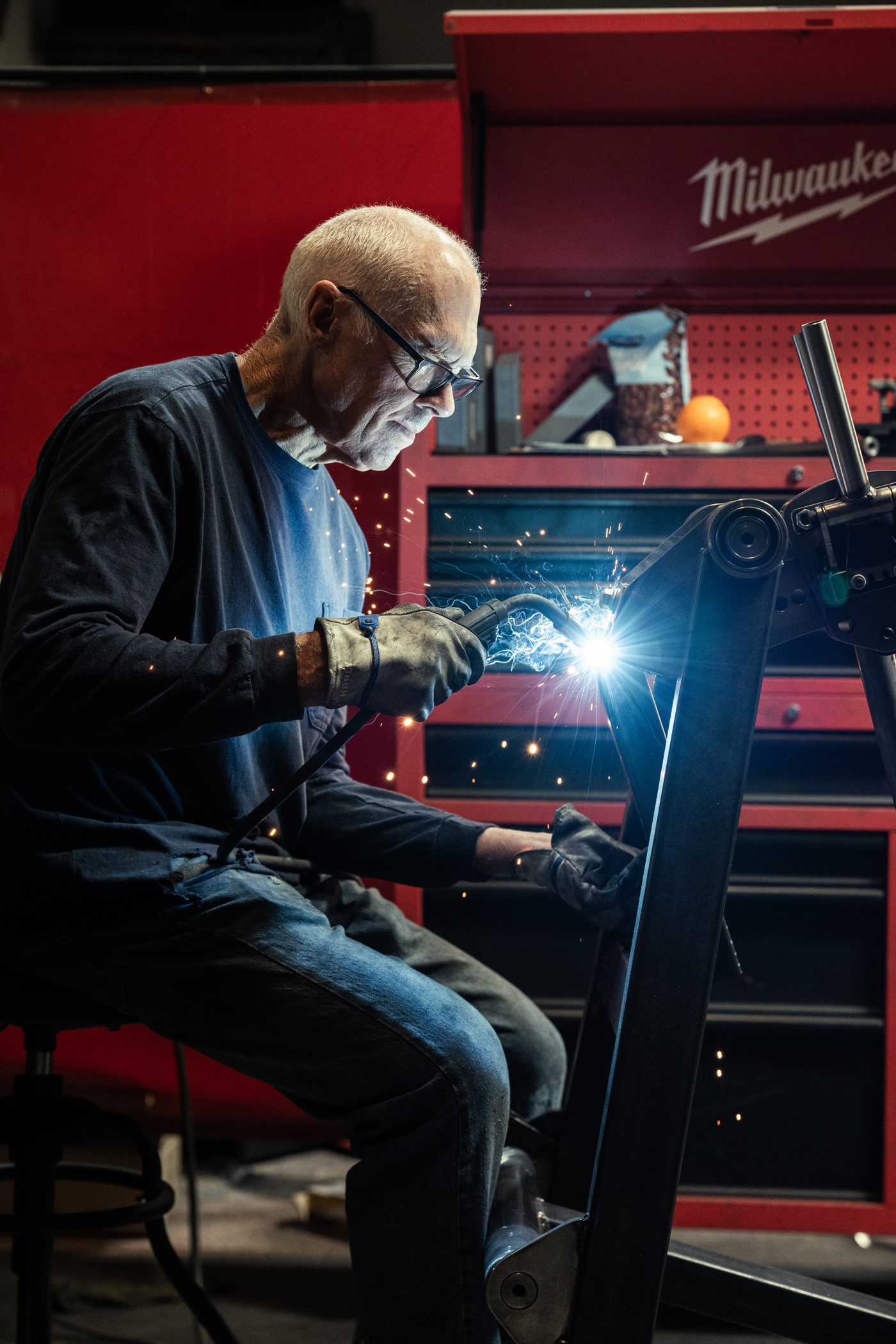
Engineering Legacy
Hands-On Metallurgy & Structural Excellence
Led by industry legendary engineer Roy Simonson, Skelcore brings five decades of strength equipment engineering expertise directly into our steel selection and manufacturing tolerances. From welding frame geometries to precision machining barbell sleeve tolerances down to 0.01mm, our development process is grounded in real workshop testing.
We don't manufacture retail toys. We build commercial-grade Olympic bars and strength equipment engineered to endure constant abuse on peak-hour commercial gym floors.
- Company Founded2020 · Skelcore LLC
- Founder & CEOMarc Ackermann
- Parent EntityEvolution Group USA
- Global HQMiami Gardens, Florida
Commercial Procurement FAQ
Frequently Asked Questions by B2B Buyers
Clear, technical answers for commercial gym owners, equipment distributors, procurement managers, and facility planners evaluating Olympic weightlifting bars.
What is the optimal PSI tensile strength for high-volume commercial gym barbells?
For high-volume commercial facilities, barbells should possess a minimum tensile strength rating of 190,000 PSI. For dedicated weightlifting platforms or heavy powerlifting zones where barbells undergo frequent dropping with heavy loads, a tensile rating between 200,000 PSI and 235,000 PSI is recommended. Higher PSI prevents permanent shaft bending under heavy dynamic shock loads while preserving natural elastic flex (whip).
How do needle bearings differ from bronze bushings in Olympic barbell sleeves?
Needle bearings feature thin cylindrical steel rollers that allow smooth, rapid sleeve rotation under high weight loads. They are essential for Olympic weightlifting movements (Snatch and Clean & Jerk) to reduce inertia torque on the lifter's wrists and elbows. Bronze bushings are solid alloy sleeves that spin slower but provide extreme durability against severe vertical impact. Bushings are preferred for powerlifting bars (squat, bench press, deadlift) and general gym floor barbells.
Which barbell finish provides the lowest long-term maintenance cost in commercial gyms?
Hard Chrome and Cerakote finishes offer the best ROI for commercial operators. Hard Chrome creates a dense barrier that resists chipping and corrosion far better than decorative bright chrome. Cerakote (a thin-film ceramic coating) provides top-tier resistance against rust caused by sweat and humidity while allowing custom color options. For the absolute highest corrosion resistance, Stainless Steel shafts require no plating and cannot peel, though they carry a higher initial purchase price.
Can Skelcore apply custom branding and logo endcaps to commercial barbell orders?
Yes. Skelcore specializes in custom brand manufacturing for multi-location gym chains, franchise networks, and commercial distributors. Options include laser-etched aluminum endcaps featuring your corporate logo, custom color Cerakote shaft coatings matched to your brand palette, and custom silicone sleeve band colors.
What drop-testing standards do Skelcore commercial Olympic bars undergo?
Skelcore commercial bars undergo automated dynamic drop-testing, where fully loaded barbells (using bumper plates) are dropped from heights up to 2.2 meters over 10,000 continuous cycles onto rubber flooring. Shafts are tested via ultrasonic flaw detection and magnetic particle inspection to ensure no micro-fractures exist prior to final chrome or Cerakote application.
How should facility staff maintain Olympic weightlifting bar sleeves and shafts?
Routine commercial maintenance involves brushing chalk and skin oils out of the knurling twice weekly using a stiff nylon brush (avoid wire brushes on plated or Cerakote bars). Apply a light coat of 3-in-1 oil or mineral oil to the shaft, let it sit overnight, and wipe dry. For sleeve maintenance, inject a small amount of non-detergent machine oil into the sleeve seam monthly to keep internal needle bearings lubricated.
What warranty protection is provided on Skelcore commercial Olympic bars?
Skelcore provides a Commercial Lifetime Warranty against shaft bending and manufacturing defects on designated high-PSI competition and powerlifting barbells. Standard commercial training bars carry a multi-year commercial warranty covering structural integrity and sleeve rotation functionality under normal intended commercial use.
Commercial Inquiry
Request a Wholesale Quote for Commercial Olympic Bars
Equipping a new commercial facility, upgrading existing strength zones, or expanding your distribution inventory? Connect with our Miami sales and engineering team today.
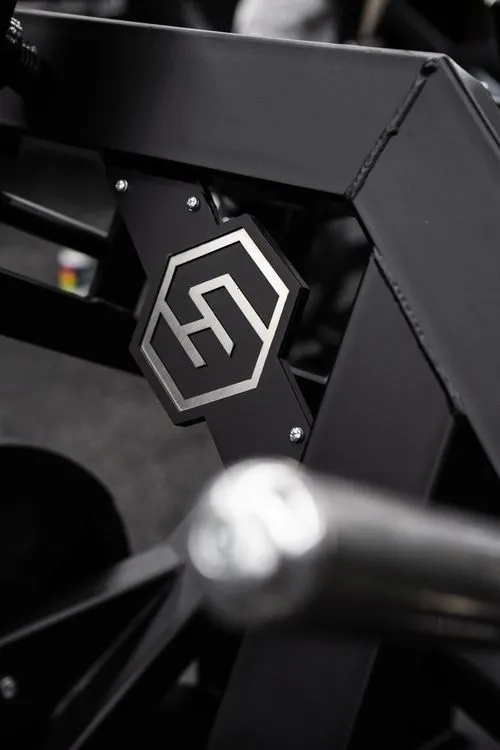
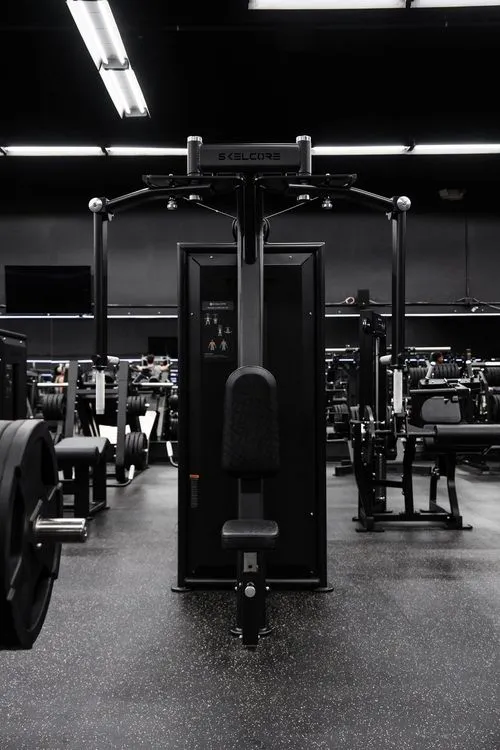
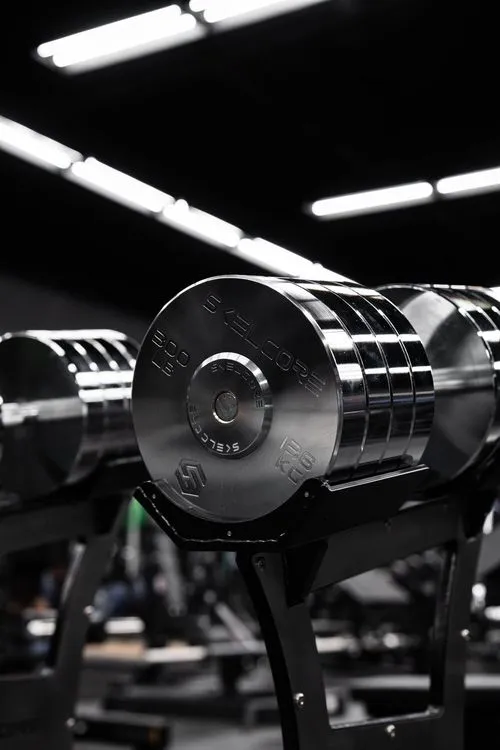
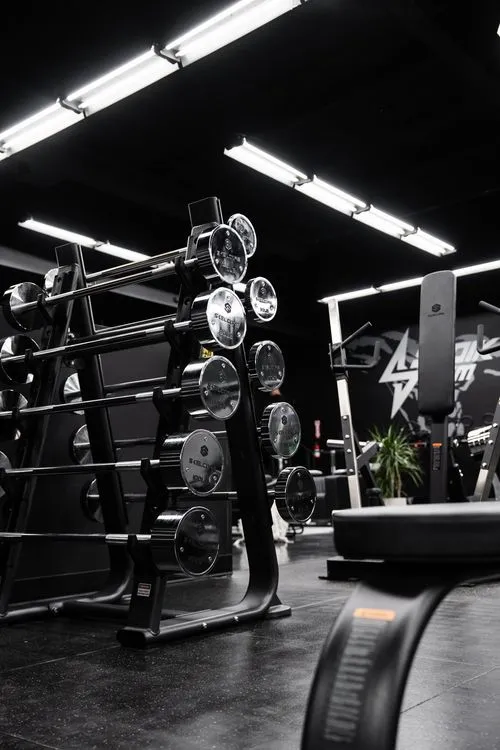
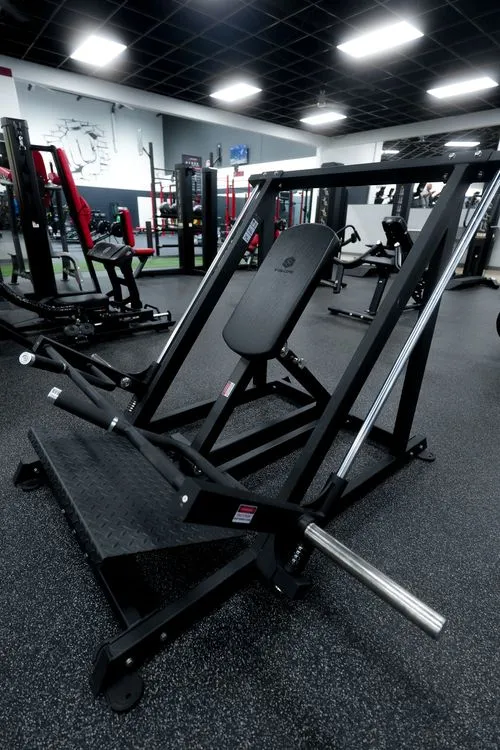
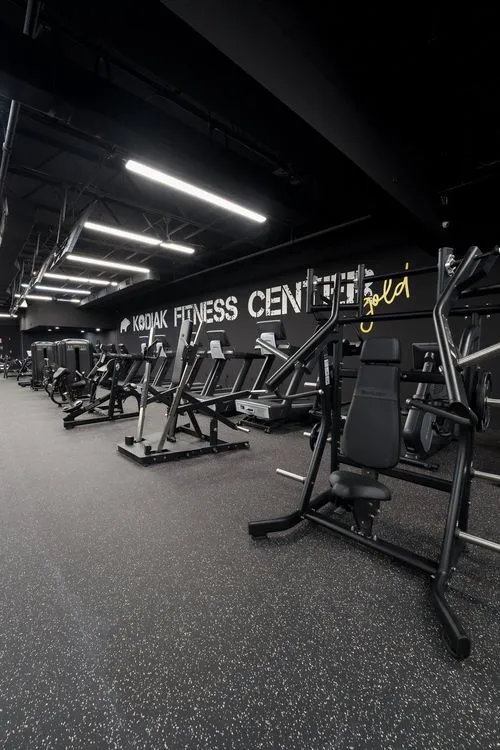
Equipment Operating in Facilities Associated with Leading Fitness Brands