Featured Commercial Equipment Showcase
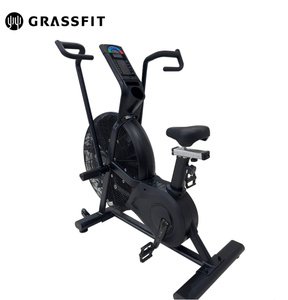
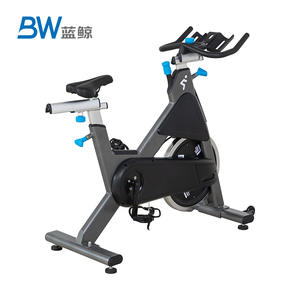
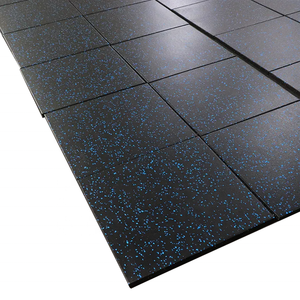
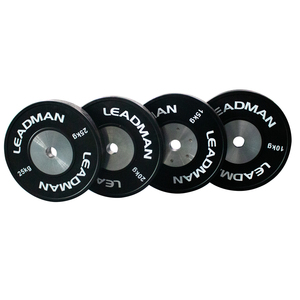
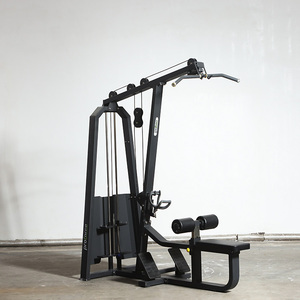
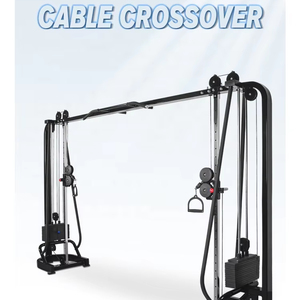
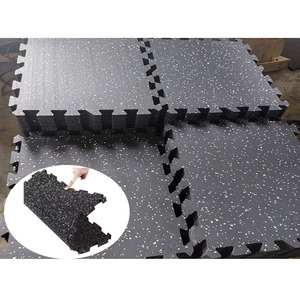
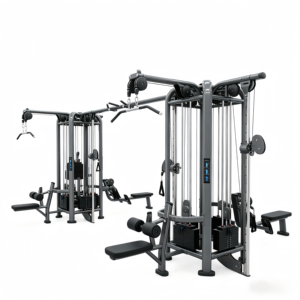
Explore our commercial-grade strength training, cardio, flooring, and weight storage components engineered for high-traffic gym operations across Nagoya and central Japan.
Industrial Whitepaper: Sourcing Weight Plate Trees in Nagoya
As Nagoya solidifies its position as the industrial heartland of Japan’s Chubu region, the commercial fitness landscape within Aichi Prefecture is undergoing a structural transition. Facility operators in metropolitan Nagoya—spanning key districts such as Sakae, Meieki (Nagoya Station area), Kanayama, and Fushimi—are experiencing heightened demand for high-density free-weight zones. Achieving maximum floor efficiency while adhering to strict structural safety, seismic stability, and space utilization standards requires specialized commercial storage equipment.
Weight plate trees (also known as weight storage trees, bumper plate racks, or Olympic plate organizers) serve as the backbone of free-weight zone ergonomics. Poorly manufactured storage units lead to floor clutter, accelerated rubber plate degradation, frame bending under asymmetrical loads, and safety hazards in high-footfall commercial environments. For facility buyers sourcing directly from manufacturers and export factories, identifying suppliers capable of precision welding, heavy-gauge steel processing, and localized anti-corrosion coating is crucial.
Structural Architecture of Commercial Weight Plate Storage
Heavy-Gauge Steel Fabrication
Standard retail weight trees utilize thin-walled 1.5mm to 2.0mm steel tubing, which buckles over time under uneven weight loading. Premium OEM factories supplying Nagoya commercial projects utilize 3.0mm (11-gauge) Q235 structural steel framing. Laser-cut base plates and robotic MIG welding eliminate stress fractures at high-shear joints, guaranteeing frame integrity even under maximum loading capacities exceeding 600kg.
Chrome-Plated Horns & Rubber Bumpers
Weight storage pegs (horns) undergo intensive surface treatment. Factory specifications call for hard-chrome plating or stainless steel sleeves to prevent flaking, rust, and plate scratching during rapid user insertion. High-density rubber bumper rings fitted at the root of each weight horn protect the powder-coated vertical frame from impact damage and reduce noise output during peak operational hours.
Seismic Base Stability & Floor Anchoring
Given Japan's stringent building security regulations regarding earthquake resilience, commercial weight trees deployed in Nagoya facilities feature widened triangular or rectangular bases with pre-drilled floor mounting tabs. Non-marking heavy-duty rubber feet provide vibration isolation, preventing structural drift across rubber floor tiles during seismic tremors or energetic plate retrieval.
Technical Standard Comparison Matrix
Evaluating Factory-Direct Commercial Weight Storage Specs vs. Standard Commercial Racks
| Specification Parameter | Factory Direct (Commercial Grade) | Standard Commercial Grade | Light Commercial / Consumer Grade |
|---|---|---|---|
| Main Structural Frame | 50x100mm / 75x75mm (3.0mm / 11-Gauge) | 50x75mm (2.3mm / 14-Gauge) | 50x50mm (1.5mm - 1.8mm) |
| Weight Sleeve Diameter | 48.5mm - 49.5mm (Precision 50mm Fit) | 48.0mm Standard Tubing | 25mm / 48mm Loose Fit Sleeve |
| Max Uniform Weight Load | 650 KG (1,433 LBS) | 350 KG (770 LBS) | 180 KG (396 LBS) |
| Surface Finish Technology | Electrostatic Double Powder Coat + Zinc Base | Single Layer Powder Coating | Basic Spray Paint Coating |
| Corrosion Resistance (Salt Spray) | ASTM B117 Tested > 500 Hours | Tested 150-200 Hours | No Formal Salt Spray Testing |
| Base Footprint & Mounting | Flanged Base with Floor Anchor Option | Standard Rubber Caps | Narrow Plastic End Caps |
Localized Application Scenarios in Nagoya Metropolis
Understanding the operational realities of fitness operators in Nagoya requires analyzing local real estate constraints, building codes, and member demographics. Direct factory procurement allows commercial facility planners to select weight tree configurations specifically matched to their target location.
1. Sakae & Fushimi High-Density Boutique Gyms
In commercial centers like Sakae and Fushimi, real estate rental rates demand optimal floor space utilization. Gyms operating on elevated floors of multi-tenant office buildings require compact vertical tree designs (such as 6-horn vertical trees with integrated barbell storage holders). The vertical design occupies less than 0.5 square meters while holding up to 450kg of bumper plates, leaving vital floor space open for functional movement and cable stations.
2. Meieki Commercial & Corporate Wellness Centers
Surrounding Nagoya Station, multi-story commercial fitness complexes serve white-collar professionals and corporate wellness programs. These facilities experience severe peak usage between 6:00 PM and 9:00 PM. High-throughput demands require A-frame or horizontal plate toaster racks adjacent to power racks. Easy plate identification, clear weight markings, and noise-damping rubber collars speed up transition times between sets and reduce ambient noise levels in high-end club atmospheres.
3. Industrial & Athlete Training Facilities (Greater Aichi)
In outer Nagoya industrial zones and cities like Toyota, Kariya, and Komaki, corporate athletic clubs and powerlifting centers utilize heavy competition bumper plates. Storage trees in these facilities must support continuous max-load capacity without leaning. Heavy-duty ultra-wide base trees engineered with 11-gauge steel legs ensure zero tipping risk when loaded exclusively with 25kg competition plates on top sleeves.
Central Japan Gym Equipment Sourcing Trends (2026 Outlook)
As fitness operators gear up for expansion across Nagoya, Mie, and Gifu prefectures, procurement teams are shifting away from intermediate regional middlemen in favor of direct manufacturer relationships. Key market trends driving equipment specification choices include:
Custom Brand Color Integration
Fitness brands operating 24-hour franchises across Japan are moving away from generic black racks. Factories capable of supplying custom RAL powder-coating finishes allow gym owners to align frame colors (e.g., Matte Black, Titanium Grey, Vibrant Crimson) with corporate branding guidelines.
Port of Nagoya Containerized Direct Logistics
Direct sea-freight shipping into the Port of Nagoya allows local buyers to save up to 35% on intermediary distribution costs. Factories providing direct container loading, palletized packing, and complete customs documentation streamline import clearance into Aichi Prefecture.
Acoustic & Impact Damping Compliance
Japanese urban commercial leases enforce strict sound control guidelines (often requiring quiet operation under 50dB). Modern weight storage units feature impact-absorbent urethane end caps, tight-tolerance sleeve spacing to prevent rattling, and dense rubber foot mounts to pass municipal building inspection.
Enterprise Manufacturing Supremacy & OEM Advantages
Backed by international engineering expertise and a global supply network serving over 60 countries, our manufacturing partner framework provides full-spectrum commercial facility equipment solutions. From single strength components to comprehensive turnkey commercial fit-outs, our OEM production lines strictly adhere to international quality protocols.
California Design & Biomechanical Engineering
Our equipment series are conceived with advanced biomechanical design principles. Structural load distributions are computer-modeled using Finite Element Analysis (FEA) to ensure stress points on weight trees, power racks, and selectorized machines remain far below material yield limits under extreme commercial use.
Comprehensive Multi-Category Facility Supply
Rather than dealing with multiple vendors for plates, racks, cardio, and flooring, facility procurement directors can source complete floor plans from one manufacturer. Cohesive design aesthetics across plate-loaded strength lines, pin-loaded machines, curved runners, and interlocking rubber flooring tiles elevate gym appearance.
Strict Quality Control & Global Warranty
Every factory batch undergoes rigorous structural testing prior to export packing: frame alignment validation, 1,000-cycle load endurance testing, salt-spray corrosion chamber testing, and powdercoat adhesion testing. Supported by international technical support and commercial structural warranties.
Equipping a Commercial Gym in Nagoya or Aichi Prefecture?
Connect with our factory direct commercial sales specialists. Receive technical spec sheets, 3D CAD library files, container freight quotes to Nagoya Port, and customized OEM brand options.
Contact UsNagoya Procurement FAQ: Weight Plate Trees & Factory Direct Sourcing
1. What is the typical lead time for direct factory shipping to the Port of Nagoya?
2. How do your factory weight trees accommodate different plate standards (Bumper vs. Steel)?
3. Can we order customized frame colors and branded logo badges for Japanese franchise chains?
4. Are rubber floor protectors and seismic floor anchoring features included?
5. What packaging measures are used to prevent damage during sea transport?
6. What documentation is provided to clear import customs in Japan?
Partner with a Premier Gym Equipment Manufacturer
Upgrade your Nagoya gym facility with factory-direct heavy-duty weight plate trees, strength machinery, and commercial flooring. Contact our engineering and sales consultation team today.
Contact Us