Featured Commercial Wall-Mounted Rigs & Multi-Stations
Precision-engineered strength infrastructure built for commercial fitness chains, elite athletic facilities, and global distributors.
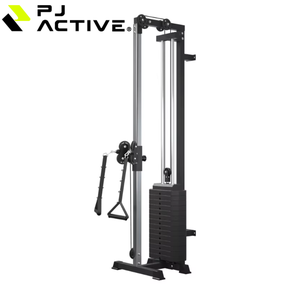
PINJIAN Home Fitness Equipment Multifunctional Trainer Strength Training Wall Mounted Cable Crossover With Weight Stack
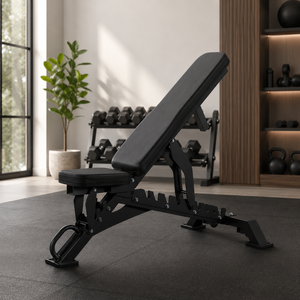
Adjustable Weight Bench 770LBS Flat Incline Workout Bench For Gym Strength Training
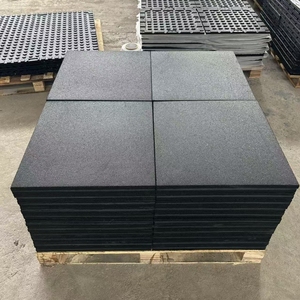
Guangdong Factory High Quality Matt Top Gym Rubber Flooring Shock Absorption Rubber Tile for Fitness Area Anti slip Rubber Tile
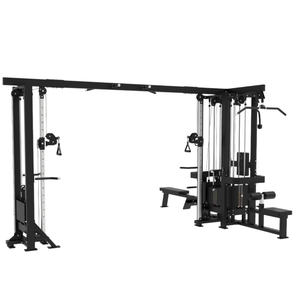
NO.82 5-Stack Multi-Stations Commercial Multi-functional Trainer Selectorized Pin Loaded Jungle Cable Crossover Machine 5 Stack
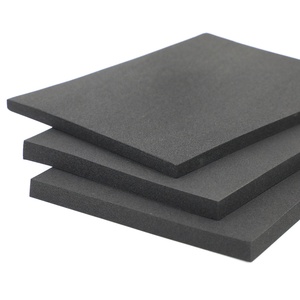
1000*1000 Rubber Gym Floor Tiles for Fitness
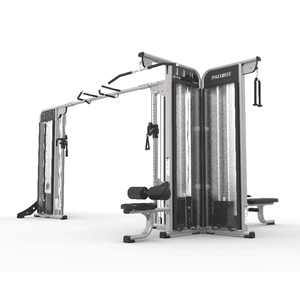
Hottest Good Design Hot Salesfitness Gym Equipment Multi Jungle Gym Stationmulti Station Gym Jungle5 Stack Multi Jungle
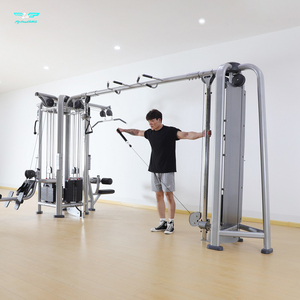
Wholesale Stack Jungle Multi Functional 5 Station Multi Jungle Gym Machine Adjustable Steel Cable Station with Crossover
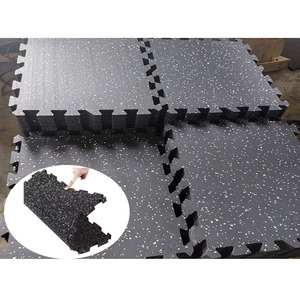
Manufacture Gym Flooring Interlock Gym Rubber Puzzle Flooring Mat
Global B2B Sourcing Report: Navigating Wall-Mounted Rig Architecture & Facility Optimization
In the modern commercial fitness landscape, revenue generation per square foot has become the single most vital key performance indicator (KPI) for gym operators, university athletic centers, and boutique functional training facilities. As operational costs soar globally, commercial procurement officers are rapidly pivoting away from space-inefficient, isolated equipment toward modular, high-density structural rigging systems.
As a premier OEM/ODM manufacturer and exporter, our engineering group continuously evaluates user intent and procurement dynamics. Wall-mounted rigs represent a pivotal structural advancement in strength training infrastructure. By securing structural loads directly to structural load-bearing concrete walls or reinforced steel pillars, facility architects can reclaim up to 45% of usable floor space without sacrificing training station integrity or member throughput capacity.
The Biomechanical & Engineering Anatomy of Heavy-Duty Wall Rigs
Not all wall-mounted rigs are engineered to equal standards. Commercial-grade structural integrity requires strict compliance with international mechanical stress standards (such as EN ISO 20957-1/2). When evaluating OEM factories, B2B buyers must scrutinize raw material sourcing, robotic welding tolerances, and surface chemistry.
Our manufacturing matrix employs heavy-duty 11-gauge (3.0mm) structural steel tubing, precision fiber laser-cut uprights, and 7-stage thermosetting electrostatic powder coating. This ensures that dynamic impact loads from heavy barbell drops, wall-ball impacts, and high-velocity suspension training are safely dissipated across both the vertical uprights and the masonry anchorage points.
Space Optimization Engineering
Wall-anchored footprints consolidate power racks, pull-up stations, and accessory storage into a depth of under 4 feet, preserving open floor space for HIIT and conditioning movements.
High-Duty Load Capacities
Engineered with 3x3-inch uprights and 1-inch hardware, our rig systems deliver a static test load rating exceeding 1,500 lbs (680 kg) per individual training bay.
Integrated Cable Multi-Jungle Integration
Bridge traditional functional rigs with pin-loaded selectorized cable stacks to provide seamless resistance transitions for both functional and bodybuilding modalities.
B2B Architectural Comparison: Wall-Mounted Rigs vs. Standalone Infrastructure
Selecting the optimal equipment layout requires analyzing mechanical anchorage, foot traffic throughput, capital expenditure (CapEx), and structural durability. The table below outlines key engineering criteria when specifying commercial gym fit-outs.
| Evaluation Factor | Wall-Mounted Commercial Rig | Freestanding Power Rack | Multi-Station Jungle Stack |
|---|---|---|---|
| Floor Depth Requirement | 3.0 ft – 4.0 ft (Maximum Efficiency) | 6.0 ft – 7.5 ft per rack | 10.0 ft – 16.0 ft footprint |
| Steel Specification | 11-Gauge (3mm) Q235 Steel | 11-Gauge to 14-Gauge Steel | Heavy Steel Frame & Shrouds |
| Member Capacity / Sq. Ft | High (Up to 8 per bay) | Medium (1-2 per rack) | Very High (5-8 Stacks) |
| Structural Anchorage | Structural Wall Anchor + Concrete Floor | Floor Expansion Bolts Only | Free-standing Weighted Base |
| Customization & Finish | Laser Brand Cutouts + Custom Powder | Standard Factory Colors | Custom Frame & Upholstery |
| Floor Protection Requirement | 15mm-25mm Rubber Tiles Recommended | Standard Rubber Flooring | Flat Rubber Subfloor Base |
Future Procurement Trends in Commercial Wall Rigs & Functional Equipment (2026–2030)
As global commercial fitness demands pivot toward hybridized training formats—combining powerlifting, Olympic weightlifting, functional HIIT, and digital tracking—the procurement requirements of gym chains, boutique studios, and military athletic centers are shifting rapidly. Global buyers are prioritizing supplier adaptability in three major areas:
1. Modular Ecosystem Integration & Rapid Extension
Gym operators no longer purchase standalone single-use equipment. Procurement trends lean heavily toward interchangeable structural eco-systems. Future-proof wall-mounted rigs must feature standardized laser-cut hole spacing (such as 2-inch center spacing with 1-inch hardware) allowing immediate retrofitting of dip bars, landmines, wall-ball targets, and cable pulley attachments without drilling or structural modifications.
2. Hybridization of Selectorized Pin-Loaded Stacks with Structural Rigs
The traditional wall rig was strictly a free-weight and bodyweight station. The modern trend—pioneered by top export factories—combines high-density selectorized weight stacks directly into the rig uprights. This enables cable crossovers, lat pulldowns, and low rows to be executed within the exact footprint of a single wall bay, drastically boosting exercise versatility.
3. Advanced Anti-Corrosion & Acoustic Mitigation Technologies
With the expansion of urban gym centers situated inside residential mixed-use buildings, acoustic management and rubber sub-flooring integration are now critical. Procurement specs increasingly call for ultra-high-molecular-weight polyethylene (UHMWPE) wear guards on all J-cups and spotter arms, alongside high-density vulcanized interlocking rubber tiles (1000x1000mm, 15mm-30mm thick) engineered specifically for high-impact shock absorption and sound isolation.
Why Global Brands Partner With Our Manufacturing Platform
Rooted in world-class design integrity, backed by California biomechanical engineering, and operated from our Miami headquarters, our integrated production network sets the global benchmark for strength equipment manufacturing.
California Engineering & Legacy Design
Product lines developed under the legacy leadership of industry engineering veterans like Roy Simonson, bringing 50+ years of biomechanical design, precision welding, and structural prototyping to every rig and selectorized unit.
Global Supply Network (60+ Countries)
Trusted by top commercial gym chains across North America, Europe, Asia, and South America—supplying high-volume facilities like Kodiak Gold, 727 Pilates, Flight House, and premier franchise facilities worldwide.
Unified Brand & OEM Customization
From frame colors and custom upholstery stitching to laser-cut structural branding logos and custom attachment engineering, we deliver cohesive visual identity matching your full floor footprint.
Industry Development Trends: Engineering Standards in Equipment Manufacturing
Understanding factory production standards is crucial for commercial equipment distributors and project buyers. Over the past five years, manufacturing methods have evolved from manual fabrication to automated robotic engineering:
Robotic Fiber Laser Cutting
Eliminates thermal distortion present in traditional plasma cutting. Upright holes are cut with sub-millimeter precision, guaranteeing effortless pin adjustment and perfect accessory alignment.
360-Degree Continuous Welds
Automated robotic welding arms apply continuous structural welds across stress joint plates, preventing seam fatigue and micro-fractures under heavy vibration or drop loads.
Thermosetting Dual Powder Coating
Frames undergo a 7-stage pre-wash zinc phosphate treatment before receiving a primer coat and dual electrostatic powder finish, providing superior scratch resistance and anti-rust protection.
Frequently Asked Questions for B2B Rig Sourcing
Key structural, logistics, and customization questions answered for facility owners, architects, and international equipment importers.
Build Your Ideal Training Floor With Trusted Manufacturing Partners
Whether equipping a single commercial facility, upgrading a university athletic room, or establishing an international distribution contract, our engineering team provides complete layout design, custom quotes, and structural consultations.