Featured Commercial & Home Adjustable Benches
Explore top-tier adjustable benches engineered for commercial health clubs, boutique studios, and high-end residential gym installations.
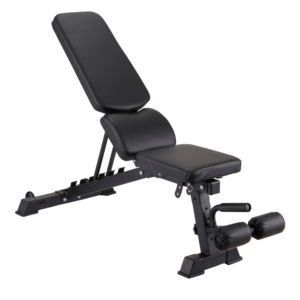
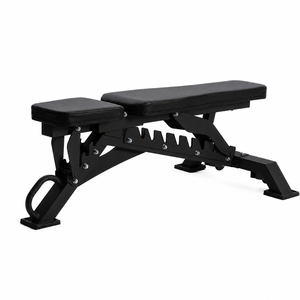
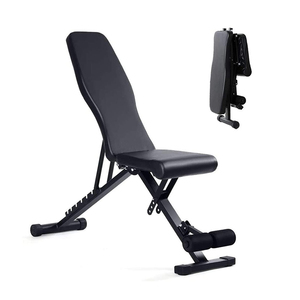
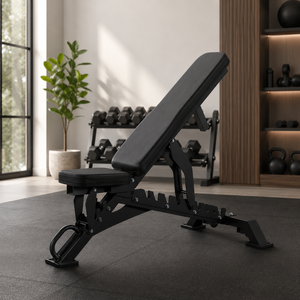
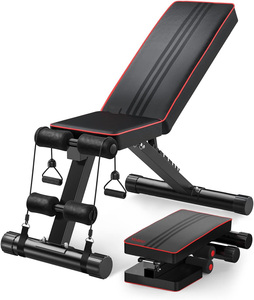
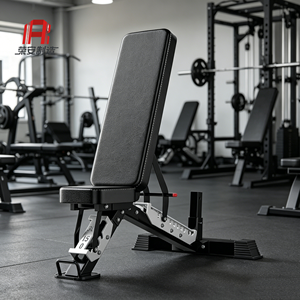
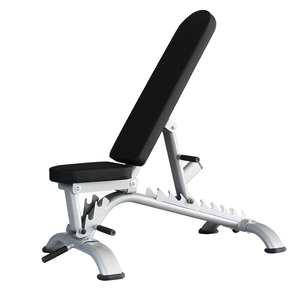
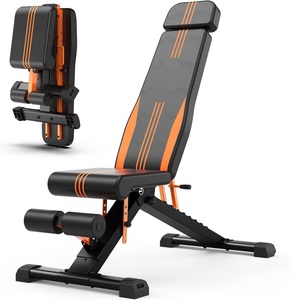
1. Executive Summary & B2B Procurement Intent Analysis
In the global commercial gym equipment sector, the adjustable weight bench represents the fundamental cornerstone of free-weight zone architecture. Whether equipping multi-chain commercial health clubs, athletic training centers, corporate wellness suites, or OEM brand portfolios, commercial procurement officers face a market saturated with varying material standards, conflicting load capacity ratings, and inconsistent biomechanical geometries.
According to modern search quality standards and structural engineering guidelines, selecting top trusted adjustable weight bench manufacturers requires looking beyond surface-level aesthetics. B2B buyers must evaluate yield strength of raw steel, pivot pin assembly tolerances, upholstery foam density, frame stability under off-center dynamic loads, and global regulatory compliance such as EN ISO 20957-1 Class S (Commercial Use) and ASTM F2276.
This B2B whitepaper provides an exhaustive technical analysis of adjustable weight bench design, structural integrity metrics, OEM/ODM manufacturing auditing, and emerging market trends to assist procurement managers in mitigating product liability and optimizing total cost of ownership (TCO).
2. Biomechanical Engineering & Mechanical Load Benchmarks
The structural integrity of an adjustable bench directly dictates facility safety and user experience. Commercial-grade benches must endure continuous high-impact dynamic loading, user shear forces, and heavy dumbbell micro-impacts. High-gain information metrics reveal three core engineering dimensions:
Steel Gauge & Tubing Profile
Premier OEMs utilize cold-rolled 11-gauge (3.0mm nominal wall thickness) Q235 or Q355 structural steel with 50x100mm heavy oval or 75x75mm square profiles. Inferior 14-gauge (2.0mm) alternatives risk structural fatigue and frame twist under heavy loads over 600 lbs.
Pad Gap & Pivot Tolerance
Zero-gap or minimal-gap (<40mm) hinge designs prevent lumbar depression during flat bench press routines. Machined solid-steel pivot axles fitted with sealed bronze bushings or industrial ball bearings eliminate lateral wobble across incline angles.
Upholstery & Foam Density
High-rebound molded polyurethane foam (minimum density 60–75 kg/m³) clad in anti-microbial, tear-resistant commercial polyurethane vinyl guarantees shape retention under localized elbow and knee pressure, resisting sweat corrosion.
3. Technical Specification & B2B Evaluation Matrix
To assist procurement specialists in supplier evaluation, the following data matrix outlines technical differences between enterprise commercial grade, light commercial, and retail grade adjustable weight benches:
| Specification Parameter | Commercial Gym Grade (Skelcore Class) | Light Commercial / Studio | Retail / Entry Home Level |
|---|---|---|---|
| Steel Wall Thickness | 11-Gauge (3.0 mm) | 12-Gauge (2.5 mm) | 14 to 16-Gauge (1.5–2.0 mm) |
| Static Test Weight Limit | 1,000 lbs – 1,500 lbs (450–680 kg) | 700 lbs – 900 lbs (315–400 kg) | 300 lbs – 500 lbs (135–225 kg) |
| Adjustment Mechanism | Laser-Cut Ladder Catch / Heavy Steel Pin | Pop-Pin Selector / Ladder | Light Pop-Pin / Friction Screw |
| Backrest Angles | 0°, 15°, 30°, 45°, 60°, 75°, 85° (FID Decline option) | 0°, 30°, 45°, 75° (Incline/Flat) | 3 to 5 Fixed Positions |
| Foam Core Construction | Rebound Molded PU Foam (70 kg/m³) | High-Density Cut Sponge (50 kg/m³) | Standard Recycled Foam (30 kg/m³) |
| Surface Finish | Electrostatic Zinc-Primer + Powder Coat | Single-Layer Powder Coating | Basic Spray Painting |
| Warranty Coverage | 10-Year Frame / 1-Year Pad | 5-Year Frame / 6-Mo Pad | 1-Year Limited Warranty |
4. Future B2B Procurement Trends (2026–2030 Evolution)
The fitness manufacturing industry is undergoing rapid technological transition driven by commercial operator demands for modularity, footprint efficiency, and sustainability. Key procurement trends shaping the next decade include:
Modular Docking & Attachments
Modern commercial benches feature integrated front docking receivers compatible with leg developer extensions, preacher curl pads, and foot-hold attachments. This allows facility operators to transform single utility benches into multi-functional strength stations.
Robotic Laser Welding & Eco Coating
Industry-leading manufacturers are migrating from manual welding to automated robotic fiber laser welding. Paired with non-VOC thermoplastic powder coatings, this delivers structural fatigue resistance and environmental sustainability compliance.
Vertical Storage & Transport Dynamics
Space optimization is crucial for HIIT studios and boutique facilities. Benches designed with integrated high-grade polyurethane wheels, ergonomic non-slip handle grips, and rubber-bumpered vertical storage stands reduce floor footprint by up to 75% when idle.
5. Industry Evolution: Biomechanical Ergonomics & Safety Compliance
Over the last three decades, weight bench manufacturing evolved from crude flat wooden-and-iron boards into highly specialized biomechanical kinetic support systems. Early commercial benches suffered from pivot play, wide pad gaps that compromised spinal alignment, and rigid square backrests that restricted scapular movement during pressing exercises.
Modern engineering standardizes tapered upper backrests (width narrowing from 300mm at the lumbar region to 250mm at the scapula region). This precise taper allows full scapular retraction and shoulder girdle movement during dumbbell incline presses and flyes, significantly reducing acromioclavicular (AC) joint stress.
Furthermore, international safety guidelines such as ASTM F2276 dictate strict dynamic impact testing and pinch-point hazard elimination. High-end OEMs utilize enclosed ladder adjustment channels or heavy-duty enclosed pop-pin housings to ensure user fingers cannot be entrapped during rapid angle changes in fast-paced gym environments.
6. B2B Procurement & Wholesale FAQ
What key certifications should a commercial adjustable bench supplier possess?
How do minimum order quantities (MOQ) and custom branding work for OEM order batches?
What is the difference between ladder-catch and pop-pin adjustment mechanisms?
What logistics packaging standards ensure damage-free international ocean freight?
How does pad density impact commercial bench longevity?
Why Partner With Skelcore & Global Manufacturing Networks?
Designed with California engineering precision and headquartered in Miami, USA, Skelcore is a premier commercial strength brand under Evolution Group USA. Supplying fitness operators across 60+ countries, our integrated range of plate-loaded strength, pin-loaded selectorized machines, heavy-duty benches, and custom gym fit-outs combines biomechanical perfection with rigorous quality control.
Partner with a verified manufacturer to access CAD space planning, architectural BIM files, custom colorway matching, and comprehensive multi-year structural warranties.