Featured Commercial Rubber Gym Flooring Recommendations
Selecting heavy-duty rubber surfacing for commercial fitness facilities requires precise evaluation of material density, tensile strength, polyurethane binder purity, and impact absorption coefficients. As a leading manufacturer and exporter, our high-density rubber gym flooring solutions are engineered specifically for extreme weightlifting zones, functional cross-training hubs, boutique Pilates studios, and high-footfall commercial fitness chains.
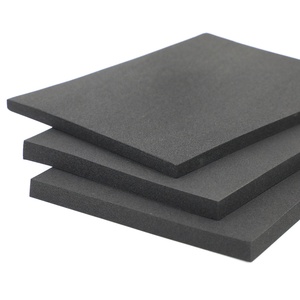
1000*1000 Rubber Gym Floor Tiles for Fitness
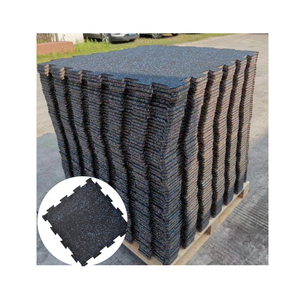
High Density Easy Installation Interlocking Rubber Mats Gym Flooring Puzzle Tiles
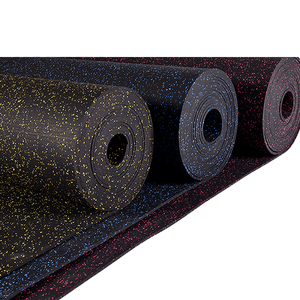
Non Toxic Weight Lifting Fitness Rubber Tile Gym Rubber Flooring Mat Roll
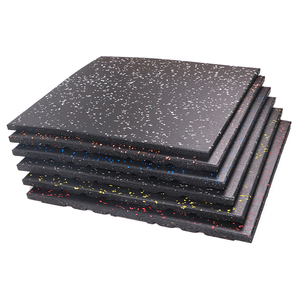
High Rubber Mat Quality Gym Rubber Flooring Shock-absorbing Rubber Flooring
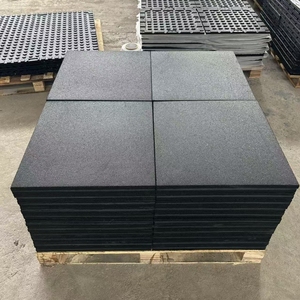
Guangdong Factory High Quality Matt Top Gym Rubber Flooring Shock Absorption Rubber Tile for Fitness Area Anti slip Rubber Tile
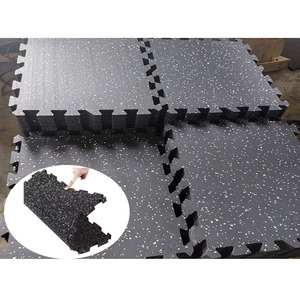
Manufacture Gym Flooring Interlock Gym Rubber Puzzle Flooring Mat
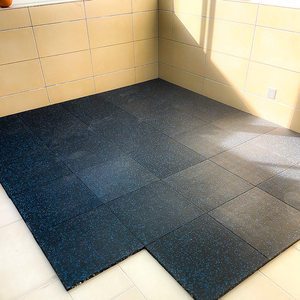
Factory Customized Gym Floor Rubber 3mm Rubber Gym Flooring 8mm 10mm Rubber Flooring for Gym
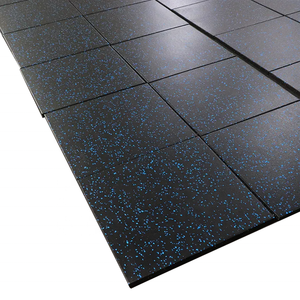
Factory High Quality Gym Rubber Flooring Tiles Rubber Slope For Fitness Weight Area
1. Material Science & Polymer Engineering in Commercial Rubber Flooring
The structural integrity and acoustic attenuation performance of commercial gym flooring depend heavily on polymer cross-linking, particle size distribution, and binder chemistry during high-pressure vulcanization. Premium Chinese manufacturing facilities utilize sophisticated combinations of Styrene-Butadiene Rubber (SBR) derived from recycled tire buffings and virgin Ethylene Propylene Diene Monomer (EPDM) color granules.
A critical differentiator between commercial-grade rubber tiles and low-cost retail alternatives lies in the polyisocyanate polyurethane binder ratio. Industrial-grade manufacturing utilizes 100% solvent-free MDI (Methylene Diphenyl Diisocyanate) polyurethane prepolymer binders. Unlike cheaper TDI (Toluene Diisocyanate) alternatives, MDI binders yield superior shear resistance, low volatile organic compound (VOC) emissions, and non-brittle elasticity under persistent dynamic loads exceeding 500 kg per square meter.
MDI Polyurethane Binder Chemistry
Formulated with solvent-free MDI prepolymers guaranteeing high tensile strength (>2.5 MPa), zero outgassing odor, and compliance with EU REACH toxicity regulations.
Vibration & Kinetic Energy Attenuation
Engineered micro-porous internal matrix delivers dynamic energy rebound, reducing subfloor concrete micro-fractures and dampening low-frequency structural vibration.
Dual-Density Co-Extrusion
Features a high-density 1050 kg/m³ fine EPDM surface layer fused to a shock-absorbing 900 kg/m³ SBR base for ultimate wear resistance and drop absorption.
In heavy weightlifting areas, drop impact energy generates structural acoustic waves that transmit through building subfloors. High-density rubber mats manufactured under 400-ton hydraulic press vulcanization maintain structural density stability between 900 kg/m³ and 1050 kg/m³. This precise compaction ratio minimizes indentation residual while maximizing Delta Lw impact sound insulation ratings up to 24-28 dB, essential for urban commercial multi-story fitness complexes.
2. Architectural Comparison Matrix: Rubber Tiles, Rolls, Puzzle Mats & Slopes
Determining the appropriate flooring architecture requires matching facility operational profiles with product structural formats. Below is an architectural selection guide based on laboratory testing and global fit-out empirical data:
| Flooring Format | Standard Thickness | Density Range | Acoustic Insulation (ΔLw) | Primary Application Zone | Installation Method |
|---|---|---|---|---|---|
| 1000x1000mm Square Tiles | 15mm – 50mm | 950 – 1050 kg/m³ | 22dB – 28dB | Heavy Free Weight & Power Rack Zones | Adhesive-Free / Pin Dowels |
| Interlocking Puzzle Tiles | 6mm – 12mm | 900 – 980 kg/m³ | 16dB – 20dB | Functional Training & Cardio Areas | DIY Seamless Interlock |
| Continuous Rubber Rolls | 4mm – 10mm | 950 – 1100 kg/m³ | 14dB – 18dB | Sprinting Tracks & Large Open Floorings | Full Polyurethane Glue Down |
| Transition Slopes / Ramps | 15mm to 50mm bevel | 1000 – 1100 kg/m³ | N/A (Safety Edge) | Platform Edging & Threshold Transitions | Interlocking / Tile Border Lock |
3. Strategic Procurement Trends in Commercial Rubber Flooring (2025–2030)
As commercial fitness chains, hotel wellness hubs, and institutional athletic facilities expand globally, B2B procurement strategies are shifting from simple unit-price evaluation to lifecycle total cost of ownership (TCO) and ESG sustainability compliance. Modern fitness operators and procurement executives prioritize four macro procurement dynamics when sourcing from leading Chinese OEM/ODM factories:
1. Low-VOC & Zero Odorous Outgassing
Global gym chains now require indoor air quality certifications such as FloorScore® and GREENGUARD Gold. Chinese export factories are replacing traditional sulfur vulcanization with advanced peroxide curing to eliminate persistent rubber odors.
2. Custom EPDM Branding & Color Flecks
Customization is paramount. Direct-from-factory orders now frequently feature customized EPDM color particle percentages (10% to 50%) matched to corporate Pantone brand guidelines, alongside laser-cut or inlaid perimeter logos.
3. Modular Adhesive-Free Installation
High labor costs in Western markets have driven demand for interlocking puzzle geometries and hidden plastic connector dowel pin systems, eliminating expensive chemical adhesives and enabling rapid replacement.
Furthermore, circular economy imperatives are shifting supply chain preferences toward raw material traceability. European and North American importers increasingly demand REACH-compliant, non-PAH (Polycyclic Aromatic Hydrocarbons) certified recycled granules. Direct factory partnerships in Guangdong and Shandong industrial clusters allow international buyers to audit raw SBR supply chains, ensuring compliance with strict international chemical safety standards.
4. Manufacturing Engineering & Product R&D Innovations
The competitive edge of top-tier Chinese rubber flooring exporters stems from continuous investment in automated extrusion, precision hydraulic molding, and surface modification technologies. Recent R&D breakthroughs transforming commercial fitness flooring include:
- Micro-Textured Anti-Slip Top Surface: Utilizing micro-embossed stainless steel press plates to mold hydrophobic, high-friction surface textures that maintain slip resistance (R10 rating) even when wet from sweat.
- Waffle-Bottom Acoustic Cavity Designs: Engineering molded hollow pedestal studs on the tile underside to create trapped air pockets, significantly increasing low-frequency shock isolation without increasing overall rubber mass.
- Anti-Microbial & Non-Porous Surface Top-Coating: Applying inline UV-cured polyurethane sealants that close surface micropores, preventing sweat absorption, bacterial growth, and chemical degradation from commercial gym disinfectants.
- Co-Molded Beveled Transition Ramp Profiles: Integrating heavy-duty slope tiles seamlessly into 15mm-50mm weightlifting areas to meet ADA wheelchair accessibility and eliminate tripping hazards for club members.
5. Why Global Buyers Partner with Our Manufacturing Infrastructure
Building upon decades of structural engineering excellence, biomechanically-backed design philosophy, and rigorous manufacturing controls, our enterprise stands as a trusted supplier for fitness facilities operating in over 60 countries worldwide.
Precision Automated Vulcanization
Our facility operates multi-cavity hydraulic presses with precise digital temperature and pressure monitoring, guaranteeing uniform density, zero warping, and sub-millimeter dimensional tolerances.
Full Technical CAD & Subfloor Guidance
We assist architectural project teams with complete CAD layout planning, expansion joint detailing, acoustic shock mapping, and subfloor pre-installation surveys.
End-to-End Global Logistics & OEM Support
From custom mold creation and private label packaging to container weight optimization and duty-optimized shipping logistics, we deliver complete turnkey procurement peace of mind.
6. B2B Commercial Flooring Procurement FAQ
Essential answers for facility owners, gym chain procurement teams, architects, and international equipment distributors:
Request Complete Product Catalog & Factory Price List
Planning a new commercial gym fit-out, distributor order, or venue renovation? Download our comprehensive 2025 product catalog, technical spec sheets, and laboratory test reports directly from our global sales team.