Navigating Competition Kettlebell Manufacturing Excellence
In the rapidly evolving global commercial fitness market, procuring high-performance equipment requires moving beyond simple price-per-kilogram metrics. Commercial facility operators, international distributors, and athletic performance centers are increasingly focusing on total cost of ownership (TCO), biomechanical safety, and precise manufacturing standardization. As a premier Top 10 Competition Kettlebell Set Supplier & Exporter, our engineering philosophy bridges the gap between raw foundry metallurgy and elite athletic performance needs.
Unlike standard cast-iron fitness kettlebells, regulation competition kettlebells must strictly adhere to the International Kettlebell Fitness (IKF) and Girevoy Sport Federation benchmarks. Regardless of weight increment—ranging from 8kg to 48kg—the external dimensions, handle diameter (standardized at 33mm or 35mm), base footprint, and body profile remain 100% uniform. This uniformity ensures that an athlete's motor patterns, biomechanical leverage, insertion technique, and rack positioning remain perfectly consistent throughout progression cycles.
Metallurgy & Engineering: Gravity Casting vs. Traditional Sand Casting
The structural integrity and balance of a competition kettlebell are dictated by its foundry casting methodology. Historical manufacturing methods relied heavily on traditional sand casting with welded handles and internal lead/filler fillings. This legacy approach created major failure points: welded handles frequently snapped under dynamic ballistic loads, while internal loose fillers shifted during high-velocity snatches, distorting the bell's center of mass.
Single-Piece Unibody Gravity Casting
Our state-of-the-art automated gravity casting technology utilizes CNC-machined steel molds. The molten ductile steel or virgin iron alloy is poured under precise thermodynamic controls, eliminating internal void pockets, air bubbles, and weak weld joints. The result is a seamless single-piece unibody iron/steel casting with superior structural shear strength.
No-Filler Hollow Steel Core Technology
To achieve accurate mass weight without altering the external shell dimensions, premium competition sets utilize hollow-core steel engineering. Precision wall-thickness calibration replaces inner loose sand or lead fillers. The weight is entirely distributed through the steel shell geometry, keeping the center of gravity fixed dead-center.
Precision Machined Flat Base
Safety on the commercial gym floor requires absolute ground stability. Each kettlebell base undergoes secondary robotic CNC milling, creating a completely flat, non-wobbling foundation. This prevents floor tipping during renegade rows, push-ups, or rapid storage racking.
By eliminating welded handles and internal fillers, our export-grade kettlebells achieve a weight calibration tolerance of within ±0.5% (under 100 grams). This level of precision engineering drastically reduces warranty claims, extends product lifespan in 24/7 commercial facilities, and elevates the facility's professional aesthetic.
International Regulation Weight & Color-Coding Standard Matrix
Global procurement teams must ensure that imported kettlebell inventory meets universal color-coding guidelines established for competitive sports and instant visual identification in commercial functional zones. Below is the technical specification matrix for our exported competition series:
| Weight (KG) | Weight (LBS) | Regulation Color Code | Handle Diameter | Base Diameter | Internal Core Architecture |
|---|---|---|---|---|---|
| 8 KG | 17.6 LBS | Pink (Pantone 219C) | 33 mm / 35 mm | 140 mm | Hollow Steel Core (No Filler) |
| 12 KG | 26.4 LBS | Blue (Pantone 286C) | 33 mm / 35 mm | 140 mm | Hollow Steel Core (No Filler) |
| 16 KG | 35.2 LBS | Yellow (Pantone 109C) | 33 mm / 35 mm | 140 mm | Hollow Steel Core (No Filler) |
| 20 KG | 44.0 LBS | Purple (Pantone 268C) | 33 mm / 35 mm | 140 mm | Hollow Steel Core (No Filler) |
| 24 KG | 52.8 LBS | Green (Pantone 355C) | 33 mm / 35 mm | 140 mm | Hollow Steel Core (No Filler) |
| 28 KG | 61.6 LBS | Orange (Pantone 151C) | 33 mm / 35 mm | 140 mm | Precision Calibrated Iron/Steel Core |
| 32 KG | 70.4 LBS | Red (Pantone 186C) | 33 mm / 35 mm | 140 mm | Solid Gravity Cast Steel Core |
| 36KG - 48KG | 79.2 - 105.6 LBS | White / Grey / Gold | 33 mm / 35 mm | 140 mm | Heavy-Duty Steel Core Alloy |
Future Procurement Trends in the Global Free-Weight Equipment Market (2025–2030)
The fitness hardware manufacturing landscape is undergoing a structural transition driven by changes in international supply chains, environmental compliance, and evolving facility design preferences. As a leading manufacturer and exporter, we highlight four strategic trends defining kettlebell procurement:
1. Electrostatic E-Coating & Textured Powder Surfaces
Traditional gloss paint finishes chip easily, leading to exposed metal, oxidation, and abrasive handle edges that tear lifters' hands. Modern commercial buyers are shifting toward matte electrostatic powder coating and premium E-coating (Electrophoretic Deposition). This creates an ultra-durable, rust-resistant barrier that retains chalk effectively while preserving smooth rotation in the hand.
2. OEM Laser Engraving & Custom Brand Integration
Commercial gym chains and franchise networks demand customized equipment to reinforce brand identity. Advanced manufacturing lines now feature high-precision fiber laser engraving and custom cast recessed logos directly on the kettlebell body. This allows commercial operators to showcase their brand insignia without altering the external regulation silhouette.
3. ESG Compliance & Eco-Friendly Raw Materials
Strict environmental regulations across the EU and North America (REACH, RoHS, Zero VOCs) require factories to eliminate toxic lead fillers, heavy metal paints, and high-emission smelting processes. The future belongs to certified green foundries utilizing 100% recyclable scrap steel alloys and eco-friendly water-based powder coatings.
4. Supply Chain Resilience & Container-Load Optimization
Fluctuating ocean freight tariffs demand optimized packaging engineering. Forward-thinking suppliers utilize custom-molded high-density foam inserts, anti-corrosion VCI (Vapor Corrosion Inhibitor) plastic wrapping, and reinforced wooden pallets engineered to maximize FCL (Full Container Load) weight distribution without damage during transit.
Why Top Global Brands Partner With Us
Representing the pinnacle of commercial strength engineering, our manufacturing operational structure is backed by decades of technical expertise, continuous industrial innovation, and robust global logistics. Designed with California biomechanical principles and managed via our Miami, USA logistics hub, we deliver complete turn-key solutions for strength, cardio, and functional training spaces worldwide.
Integrated Product Ecosystem
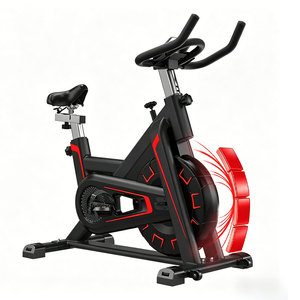
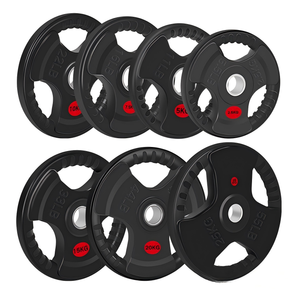
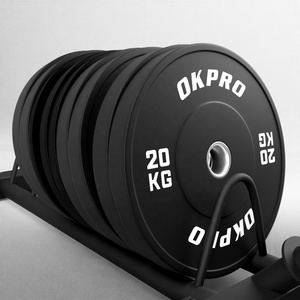
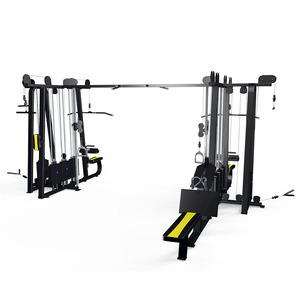
From precision competition kettlebells and heavy-duty bumper plates to selectorized pin-loaded stations, 8-station cable jungles, and self-powered curved treadmills—we provide a fully integrated equipment suite. This guarantees matching visual aesthetics, uniform frame coatings, and streamlined procurement under a single master warranty.
Global Distribution Footprint
Our commercial gym equipment and free-weight lines are deployed in over 60+ countries. We serve premier gym chains, military facilities, commercial wellness hubs, and boutique athletic clubs, supported by an extensive network of regional distribution hubs for fast delivery and localized spare parts servicing.
R&D & Engineering Heritage
Under the engineering direction of industry legends like Roy Simonson, our hardware designs undergo rigorous stress-testing, FEA (Finite Element Analysis) load modeling, and continuous drop testing. Every production batch is verified for structural integrity, dynamic balance, and tolerance compliance before container loading.
Frequently Asked Questions (B2B Sourcing FAQ)
Direct answers for gym operators, equipment distributors, and commercial procurement managers.
What is the core difference between cast iron kettlebells and competition kettlebells? +
What weight calibration tolerance do your export competition kettlebells guarantee? +
Do you offer OEM/ODM customization for corporate gym chains and private label brands? +
What handle diameter options are available for competition kettlebell sets? +
What casting method is used, and why are welded handles avoided? +
How are kettlebell sets packaged to prevent damage and corrosion during sea freight shipping? +
What is the typical Minimum Order Quantity (MOQ) for commercial B2B procurement orders? +
Are your powder coatings compliant with international environmental and health standards? +
What warranty terms do you provide for commercial gym installations? +
How can international distributors request a factory audit or sample evaluation package? +
Upgrade Your Facility Strength Hardware Matrix
Connect directly with our global sales engineering team to receive complete technical documentation, custom OEM branding quotes, volume factory pricing, and container load optimizations.
Send an Inquiry