Featured Commercial Strength & Training Equipment
Engineered to exceed EN ISO 20957-1 standards for high-volume commercial clubs, fitness centers, and sports training institutes worldwide.
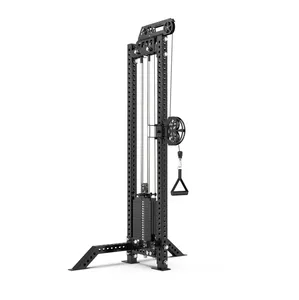
Factory Directly Wholesale Single Crossover Cable Machine Commercial Grade Gym Equipment
Heavy-duty pin-loaded dual pulley system featuring high-precision linear bearings, 7x19 coated aircraft cable, and multi-angle swivel head attachments.
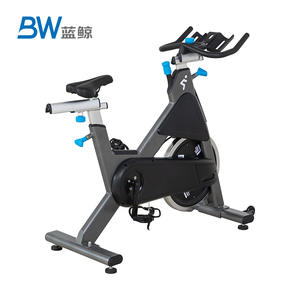
BW Hot Selling Commercial Gym Equipment Spinning Bike Sports Bike Indoor Spin Bike
Heavy perimeter-weighted steel flywheel, magnetic resistance technology, infinitely adjustable handlebars and saddle for high-traffic cardio zones.
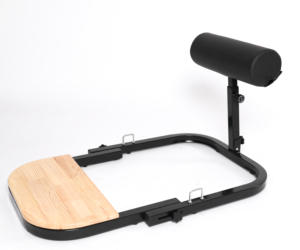
TODO Foldable Hip Thrust Machine With Stainless Steel For High Resistance Glute Training (150kg Capacity)
Stainless steel tubing with high-density polyurethane hip padding, heavy-duty resistance band pegs, and compact space-saving folding geometry.
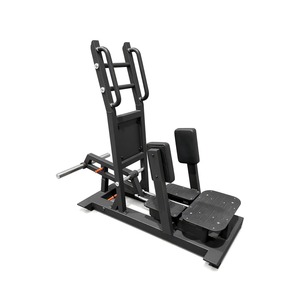
Commercial Use Gym Plate Loaded Gym Machines Plate Loaded Hip Thrust Machine Glute Drive
Plate-loaded heavy strength system engineered for maximal pelvic stabilization, biomechanical isolation of the posterior chain, and quick loading horns.
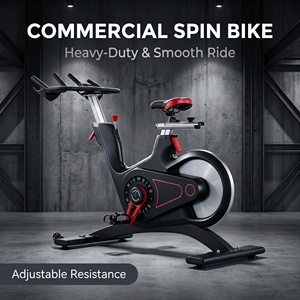
Luxury Commercial Grade Dynamic Spin Bike Large Metal Flywheel Multi-level Resistance Adjustment
Ultra-silent belt drive motorless indoor cycle with dynamic steel flywheel, micro-adjust tension control, and reinforced bottom bracket assembly.
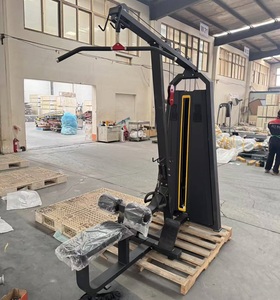
S069 Lat Pull Down / Low Row Machine Classic Commercial Fitness Equipment Strength Fitness Equipment
Dual-function pin-loaded upper body strength workstation equipped with adjustable thigh hold-down rollers, sealed bearing pulleys, and heavy steel weight stack.
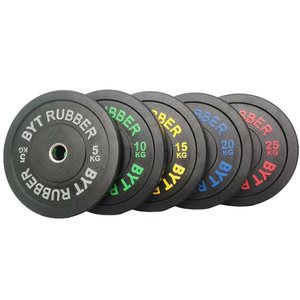
BYT Custom Logo Color LB 20kg Bumper Rubber Barbell Plates Model HBB-BL for Weightlifting Training
High-density vulcanized virgin rubber competition bumper plates with precision brass hub inserts, minimal bounce physics, and custom color-coded ring options.
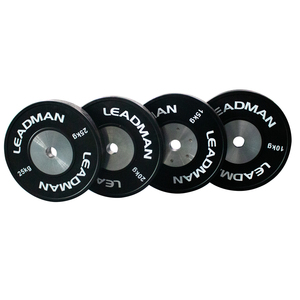
Heavy Duty KG LB Gym Training Coloured Rubber Competition Bumper Plates
IWF standard 450mm outer diameter rubber bumper plates with heavy-duty steel center discs engineered to withstand 30,000+ drop cycles in Olympic lifting facilities.
1. Kinematic Principles & Biomechanical Isolation in Leg Curl Engineering
Evaluating the structural mechanics, torque delivery curves, and anatomical alignment mechanisms that differentiate enterprise-grade leg curl machines from entry-level hardware.
The hamstring complex—comprising the biceps femoris (long and short heads), semitendinosus, and semimembranosus—serves a dual anatomical role: flexing the knee joint and extending the hip joint. In commercial strength environments, achieving targeted neurological recruitment without inducing knee joint shear stress requires precise mechanical cam profiling, ergonomic pivot point alignment, and robust counterbalancing.
When sourcing high-volume strength machinery from Chinese original equipment manufacturers (OEMs), international buyers, gym operators, and equipment distributors must understand the kinematic distinctions across the three primary mechanical variants of leg curl apparatuses:
Seated Leg Curl Machines
Mechanics: Flexes the knee while the hip is maintained at a ~90° angle. This seated posture places the hamstring complex in a pre-stretched state at the hip origin, maximizing mechanical tension throughout the movement arc.
- High neurological muscle firing rate
- Integrated thigh hold-down pad essential
- Optimal for hypertrophy & rehab protocols
Prone (Lying) Leg Curl Machines
Mechanics: Positions the user in a prone orientation with an angled chest pad (~15° to 20° hip extension contour). This divergent bench angle prevents lumbar hyperextension while keeping the pelvis stable under maximum load.
- Reduces lower back involvement
- Self-aligning tibia roller adjustments
- Direct overload at peak contraction
Standing Unilateral Leg Curls
Mechanics: Isolates each limb independently while standing upright, eliminating left-to-right muscular imbalances (asymmetry index correction) and providing specific biomechanical crossover for athletic sprinting cycles.
- Corrects bilateral strength deficits
- Minimal footprint for boutique spaces
- Direct transfer to dynamic athletic speed
Information Gain: Cam Axis Geometry & Variable Resistance Curves
A frequent design flaw in lower-tier fitness machinery is a static pivot radius. Human skeletal muscles generate dynamic torque outputs depending on joint angle—the human hamstring produces maximum torque near 30° of knee flexion, tapering off toward full contraction (90°-105°). Premium Chinese wholesale manufacturers utilize computer-modeled variable resistance spiral cams. These cams alter the mechanical leverage ratio throughout the range of motion, matching the muscle's natural length-tension curve and eliminating "sticking points" that stress the popliteal fossa and anterior cruciate ligament (ACL).
2. Manufacturing Metallurgy, Engineering & Quality Assurance
A detailed look into the raw materials, welding standards, electrostatic finishing, and cable mechanics required for industrial-grade gym equipment.
When procuring commercial leg curl machines and selectorized strength units at volume, procurement officers must look beyond aesthetic paintwork to evaluate structural steel grades, wall thickness, pulley bearing tolerances, and upholstery resilience. Below is a comprehensive engineering specification breakdown used by top-tier OEM/ODM factories in Shandong and Guangdong provinces.
| Component Module | Commercial Grade Specification | Light Commercial / Standard | Engineering Impact & Durability |
|---|---|---|---|
| Main Structural Frame | Q345B Heavy structural steel, 50x100mm oval / 60x120mm rectangular, 3.0mm wall thickness | Q235 Structural steel, 50x70mm tubing, 2.0mm wall thickness | Prevents frame flexing under 150kg+ weight stack loads; eliminates weld fatigue under heavy cyclic stress. |
| Welding Integrity | Robotic 360° continuous MIG (Metal Inert Gas) full-seam welding | Manual spot welding or partial stitch welding | Ensures uniform structural stress distribution, eliminates micro-cracks, and passes EN ISO 20957 fatigue tests. |
| Surface Treatment | 2-Stage Sandblasting + Zinc-rich anti-corrosion primer + Electrostatic dual powder coat (120-180µm) | Single coat solvent painting without sandblast degreasing | Withstands high humidity, sweat acidity, and high-frequency friction without chipping, rusting, or peeling. |
| Cable & Drive Lines | 7x19 Strand steel aircraft cable, jacketed with self-lubricating nylon (Rated > 2000 lbs / 900kg tensile) | 7x7 Standard steel wire rope with basic PVC coating | Smooth operation over small radius pulleys, preventing cable fraying, snapping, and sudden equipment downtime. |
| Pulley Assemblies | CNC-machined anodized aluminum alloy pulleys with Japanese NSK sealed precision ball bearings | Injection-molded nylon pulleys with unsealed bearings | Delivers friction-free travel, zero lateral play, and extended operating lifespans under peak gym operating hours. |
| Cushioning & Padding | High-density molded 3D polyurethane (PU) foam core wrapped in anti-microbial industrial vinyl | Recycled cut foam sheets backed by thin synthetic leather | Retains ergonomic shape after 100,000 compression cycles; resists tear, sweat absorption, and chemical breakdown. |
3. Industry Trends & Technical Innovations in Leg Curl Equipment
How smart sensors, biomechanical versatility, and sustainable manufacturing are shaping the next generation of leg curl machinery.
Smart Sensors & Digital Velocity-Based Training (VBT)
Modern commercial health clubs are transitioning toward connected equipment ecosystems. Next-generation leg curl selectorized weight stacks are increasingly outfitted with integrated digital sensors, rotary optical encoders, and Bluetooth/ANT+ transmitters. These components track repetition velocity, concentric/eccentric work power (Watts), range-of-motion completion percentage, and time-under-tension (TUT).
For B2B buyers, sourcing strength equipment with pre-wired sensor channels or modular top-plate mounting brackets ensures future compatibility with gym management platforms (such as Mywellness, EGYM, or proprietary mobile apps).
Gas-Assisted & Axis Self-Alignment Mechanisms
Traditional leg curl machines require manual pull-pin adjustments across multiple planes—thigh pad height, tibia pad length, and backrest angle—which creates friction for gym users during peak hours. Modern Chinese manufacturing trends emphasize pneumatic gas-assisted adjustment levers and self-adjusting lower tibia pads that automatically slide along linear guides to match the user's lower leg length during knee flexion.
This automated alignment centers the user's anatomical knee joint precisely along the machine's mechanical axis of rotation, preventing patellar friction and reducing setup time for users of varying heights.
Iso-Lateral Unilateral Movement Paths
While selectorized weight stack machines remain the staple for general fitness facilities, high-performance athletic centers demand plate-loaded iso-lateral leg curl equipment. Independent movement arms force each leg to work autonomously, preventing the dominant limb from compensating for weakness in the non-dominant leg.
Manufacturers are leveraging 3D structural laser cutting and heavy-duty pillow-block bearings to build converging and diverging movement arms that replicate natural anatomical joint pathways.
Modular Flat-Pack Freight & Sustainable Coatings
Skyrocketing ocean freight rates have driven innovations in equipment structural design. Leading Chinese OEM suppliers have redesigned rigid leg curl frames into high-precision modular Knock-Down (KD) structures. Utilizing inter-locking laser-cut steel tabs and structural grade fasteners, KD designs reduce shipping cubic meters (CBM) by up to 40% per unit without compromising structural frame rigidity once assembled.
Furthermore, factories are adopting zero-VOC solvent-free thermosetting powder coatings and closed-loop water recycled sandblasting lines to meet strict international ESG compliance metrics.
4. B2B Sourcing Strategy & Manufacturer Audit Framework
A step-by-step risk mitigation guide for importing commercial strength machinery from Chinese OEM/ODM factories.
Sourcing commercial gym equipment directly from Chinese suppliers provides substantial margin advantages, but requires structured quality assurance protocols to avoid product compliance issues, frame failures, or delayed container shipments. Below is the recommended 5-stage procurement framework for global importers and facility operators:
Factory Qualification
Verify factory business licenses, ISO 9001 quality management systems, EN ISO 20957-1/2 safety compliance certificates, and export records. Demand third-party audit reports (such as SGS or TÜV Rheinland).
CAD & Ergonomic Review
Review 3D STEP/CAD assembly drawings. Ensure main structural tubes feature minimum 3.0mm wall thickness, weight stacks utilize magnetic selector pins, and pulley shafts feature dual sealed bearings.
Golden Sample Testing
Order a pre-production sample unit. Perform dynamic load testing at 150% maximum rated user capacity, 100,000-cycle cable fatigue testing, and salt spray rust testing (>500 hours ASTM B117).
Mass Production & PSI
Execute During Production (DUP) and Pre-Shipment Inspections (PSI). Check powder coat thickness via magnetic gauges, verify vinyl stitch density, and check weight stack plate weight accuracy (±1%).
5. Frequently Asked Questions (FAQ) for Global B2B Sourcing
Direct technical and commercial answers addressing common queries from commercial fitness equipment buyers, importers, and facility owners.
6. Enterprise Manufacturing Infrastructure & Global Supply Strengths
Combining U.S. biomechanical engineering standards with Chinese high-precision automated manufacturing.
Our manufacturing matrix integrates California product design principles with advanced industrial manufacturing hubs in China. Operating across 50,000+ square meters of state-of-the-art production facilities, we supply commercial fitness equipment to over 60 countries across North America, Europe, the Middle East, and Asia-Pacific.
Biomechanical R&D Heritage
Helmed by industry veteran engineering leadership, our product development team utilizes 3D kinematic motion modeling, finite element analysis (FEA) stress simulation, and electromyography (EMG) muscle isolation testing to perfect movement paths before mass production.
High-Precision Automation
Our production line features 3D fiber laser tube cutters (±0.05mm precision), automated multi-axis ABB welding robots, and fully enclosed automated electrostatic powder coating lines, ensuring frame consistency across 1,000-unit production runs.
Global Logistics & Service
Headquartered in Miami, Florida with global logistics hubs, we coordinate door-to-door ocean freight delivery, customs clearing, local warehouse stocking, complete technical documentation libraries (CAD/REVIT files, spec sheets), and fast spare parts fulfillment.
Partner with a World-Class Commercial Equipment Manufacturer
Equip your fitness facility, distribute premium strength lines, or develop custom OEM product series with our global engineering team.
Get Catalog