Navigating Institutional Cable Jungle System Procurement: Structural Biomechanics, CE Compliance, and Total Cost of Ownership
In modern commercial facility design, the Multi-Station Cable Jungle System serves as the mechanical anchor of high-density functional strength training zones. For commercial gym owners, municipal fitness centers, resort developments, and franchise operators, evaluating cable jungle infrastructure requires an analytical approach that transcends aesthetic appeal. The convergence of heavy daily footfall, multi-directional vector stresses, and diverse user biomechanics demands structural integrity built to rigorous European standard compliance (EN 957-2 / EN 957-4 Class S).
As premier OEM/ODM manufacturers, our engineering philosophy balances high-throughput member capacity with minimal spatial footprint. A CE certified cable jungle station—whether configured as a 4-stack, 5-stack, 8-stack, or customized multi-junction crossover—must deliver frictionless pulley kinematics, rapid load adjustment, and structural anti-fatigue performance. This technical guide outlines the structural specifications, biomechanical innovations, future market trends, and manufacturing benchmarks essential for institutional buyers seeking long-term yield and operational risk mitigation.
Featured Commercial Cable Stations & Strength Fleet
Select from our standard CE certified commercial selectorized machines, multi-jungle modular frames, and complementary free-weight equipment engineered for heavy commercial application.
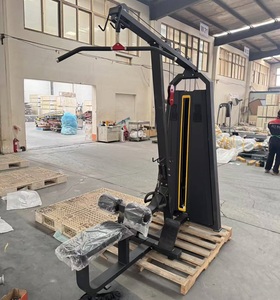
S069 Lat Pull Down / Low Row Dual Machine Classic Commercial Strength Equipment
- Dual-function selectorized station for back chain targeted isolation
- Precision-milled cold-rolled steel weight stack with magnetic pin lockout
- Heavy-duty thigh stabilization roller assembly with pop-pin adjustment
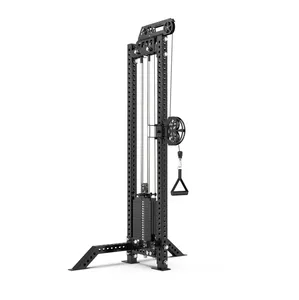
Commercial Single Cable Crossover Station (Adjustable Pulley Column)
- 180-degree swivel pulley head for multi-plane vector cable training
- Ultra-smooth laser-cut column track with dual laser-etched height indicators
- Compact wall-mount or freestanding modular footprint configuration
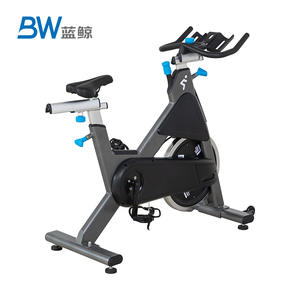
BW Series Heavy-Duty Commercial Indoor Cycle Spin Bike
- Perimeter-weighted steel flywheel with magnetic resistance calibration
- Corrosion-resistant electro-coated frame with sweat-deflection guards
- Micro-adjustable saddle and handlebar slider mechanism
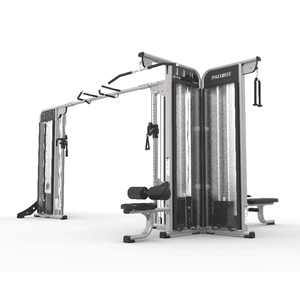
Institutional 5-Stack Multi-Jungle Cable Center Station
- Includes Lat Pulldown, Seated Row, Triceps Pressdown, & Dual Crossover
- Supports 5 simultaneous users without cables binding or inter-station drag
- Integrated structural overhead multi-grip pull-up and monkey-bar bridge
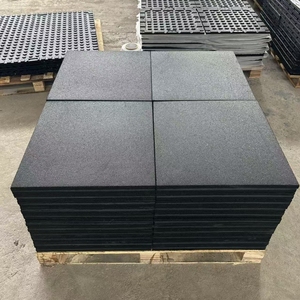
High-Density Acoustic Shock-Absorption Gym Rubber Tiles
- Non-porous matte top surface for anti-slip traction and fluid resistance
- Vibration and impact dampening designed for heavy weight drop zones
- Eco-friendly vulcanized EPDM/SBR compound with minimal VOC emissions
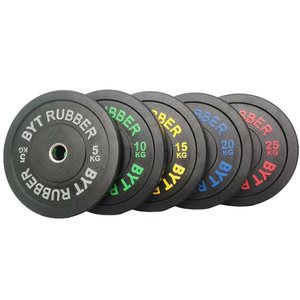
BYT Series Precision Vulcanized Rubber Bumper Plates (20kg / Custom Logo)
- Calibrated weight tolerance within +/- 10 grams for competitive lifting
- Stainless steel center hub inserts with seamless mold bonding
- Low dead-bounce rubber durometer rating tailored for platform safety
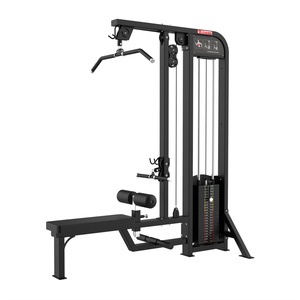
Pin-Loaded Commercial Selection Series: Combination Lat Pulldown & Row
- Biomechanically divergent pulley arm path mirroring natural muscle contraction
- Automotive-grade synthetic leather upholstery over high-density molded foam
- Full structural steel protective weight stack shrouds according to CE guidelines
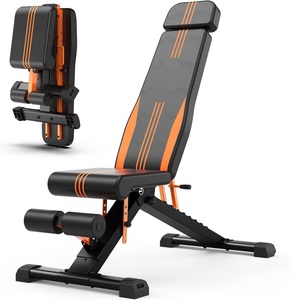
Professional Commercial Multi-Angle Adjustable Utility Weight Bench
- Ladder rack backrest adjustment covering -10° decline to 85° incline
- Laser-cut 11-gauge steel chassis with integrated transit wheels and handle
- Zero-gap pad positioning mechanism for optimal lumbar support during presses
Future Sourcing & Procurement Trends in Commercial Cable Systems (2026-2030)
Commercial gym procurement is shifting rapidly from standard off-the-shelf catalog ordering to modular, adaptable, and tech-integrated fitness ecosystems. Facilities are prioritizing equipment suppliers who can provide certified safety metrics, customizable identity integration, and flexible spatial configurations.
Modular Footprint Expansion
Modern cable jungles are built on modular junction blocks. Operators start with 4-stack cores and expand to 8-stack or 14-stack multi-stations as member capacity grows, without discarding existing frames.
TCO & Preventive Engineering
Procurement teams look beyond initial FOB costs. Suppliers offering self-lubricating nylon pulleys, 7x19 strand 2,000-lb rated cables, and accessible wear-and-tear replacement kits achieve significantly lower total cost of ownership.
Brand Customization & Architectural Aesthetics
Commercial operators require bespoke powder-coat frame finishes (matte black, gunmetal, fine texture) and custom logo embroidery on upholstery to maintain strict corporate facility branding consistency.
Technical Benchmark Matrix: Cable Jungle Engineering Standards
| Engineering Parameter | Standard Commercial Grade | Skelcore Institutional Benchmark (CE EN957) | Operational Impact |
|---|---|---|---|
| Structural Frame Steel | 2.0mm - 2.5mm Q235 Steel | 3.0mm Heavy-Duty Q235/Q355 Rectangular Tubing | Zero frame twist under asymmetrical dual 100kg stack load |
| Cable Construction | Standard 7x7 Strand PVC Coated | 7x19 Strand Aircraft Steel Cable (Internal Lubrication) | Smooth linear travel, anti-fraying 2000lb breaking strain rating |
| Pulley Wheel Assemblies | Cast Iron or Soft Plastic | Fiberglass-Reinforced Heavy-Duty Nylon with Sealed Bearings | 98% reduction in cable sheath wear & quiet whisper movement |
| Weight Stack Pins | Standard L-Pins | Self-Locking Magnetic Steel Pins with Elastic Lanyard | Prevents pin dislodgement during explosive cable releases |
| Surface Coating Process | Single Spray Powder Coating | Dual-Stage Electrostatic Thermosetting Powder-Coat + Anti-Rust Primer | High resistance to sweat corrosion and surface chipping |
Biomechanical Advancements in Multi-Station Jungle Development
The fundamental key to user engagement and injury prevention in cable system design lies in resistance curve optimization. Traditional cable towers often suffer from friction spikes caused by suboptimal pulley alignment and cable drag. Advanced engineering team, led by industry veterans (including design principles derived from R&D leaders like Roy Simonson), focuses on mechanical efficiency ratios (1:2 and 1:4 leverage options) tailored for specific training modes.
Optimized Cable Travel Ratios
By implementing true 1:2 ratios on lat pull and low row stations alongside 1:4 high-speed dynamic cable travel on crossovers, athletes achieve explosive velocity without stack inertia float.
Full Enclosure Shroud Safety
CE EN 957 regulations mandate complete enclosure of moving weight stacks. Translucent or solid steel laser-punched shrouds safeguard hands while offering sleek aesthetic appeal.
Ergonomic Tactile Touchpoints
Yellow anodized pop-pins, laser-etched height tracking numbers, and contoured handles ensure intuitive setup for gym members of any experience level.
Why Global Buyers Partner with Skelcore: Manufacturing Power & E-E-A-T Excellence
Headquartered in Miami, Florida, with design roots firmly grounded in California engineering, Skelcore (a proud brand of Evolution Group USA) stands as an integrated manufacturer supplying over 60 countries. We offer commercial facility operators a unified solution across strength, cardio, and storage domains.
Integrated Single-Source Procurement
Equip an entire commercial floor—from cable jungles and pin-loaded machines to curved treadmills and rubber flooring—under a single manufacturing spec and unified contact point.
Custom OEM/ODM Brand Tailoring
Select frame colorways, specialized powder textures, custom dual-tone vinyl upholstery stitching, and custom brand badging during quotation to reflect your club's visual identity.
Technical CAD & Installation Support
Our project team provides detailed 2D/3D floor layouts, pre-installation surveys, complete CAD models, and technical spec sheets to simplify architect and developer fit-out work.
Frequently Asked Questions: Cable Jungle Procurement & Engineering
What specific certifications make a cable jungle machine CE compliant for commercial fitness spaces?
For institutional commercial deployment, equipment must comply with European Standard EN 957-2 (Selectorized Strength Equipment) and EN 957-4 (Specialized Strength Stations), falling under Class S (Studio/Commercial). Compliance mandates complete protective weight stack shrouding, pinch-point elimination around pulleys, specific cable anti-snap safety factors (minimum 6:1 structural safety ratio), and verified frame loading stability under peak capacity.
How does a multi-station cable jungle maximize floor area profitability (ROI/sq ft)?
A multi-station jungle (such as an 8-stack or 5-stack station) consolidates multiple high-demand strength exercises into a centralized footprint. By hosting 5 to 8 simultaneous lifters within a space typically occupied by 2 or 3 standalone machines, facility operators reduce congestion during peak operating hours, lower required square footage per member, and significantly enhance user throughput.
What are the recommended floor anchor requirements and structural loading specifications?
Institutional cable stations with overhead crossover spans or multi-tower configurations must be anchored to high-density reinforced concrete floors (minimum 100mm concrete thickness with 3000 PSI rating) using heavy-duty expansion bolts. The floor structure should support a static load of at least 500 kg/m² to account for combined structural weight, weight stacks, dynamic cable pull forces, and user load spikes.
What maintenance protocol is recommended to extend commercial cable longevity?
Commercial maintenance protocols dictate daily visual checks of cable jacketing for wear or flattening, weekly tension checks to eliminate slack above the stack top-plate, and monthly lubrication of guide rods using silicone-based lubricants (never petroleum-based greases). Cables should be replaced proactively every 12 to 18 months in high-volume 24/7 commercial clubs.
Can weight stack ratios and plate increments be customized for specific training demographics?
Yes. Depending on whether the unit is destined for athletic performance centers, commercial health clubs, or senior rehabilitation facilities, we offer customized weight stack configurations. Options include fractional add-on weights (5 lb / 2.5 kg micro-adjusters), 1:2 mechanical pulley setups for general strength, or 1:4 dynamic high-speed cable configurations for explosive functional movement.
What are the lead times for custom-branded OEM commercial cable jungle orders?
Standard production lead times for customized commercial equipment range between 30 to 45 days post design sign-off. This includes custom laser-cut frame badging, electro-static powder-coating in specified RAL color codes, custom upholstery stitching, and full CE/ISO quality inspection testing prior to container loading.
Plan Your Commercial Floor with Certified Cable Systems
Partner with an established manufacturer. Contact our engineering and logistics specialists today for CAD layout planning, custom OEM quotations, and global factory-direct delivery timelines.
Inquire Now